 Code to the Castle
Press kit · updated 29 August 2026
Code to the Castle
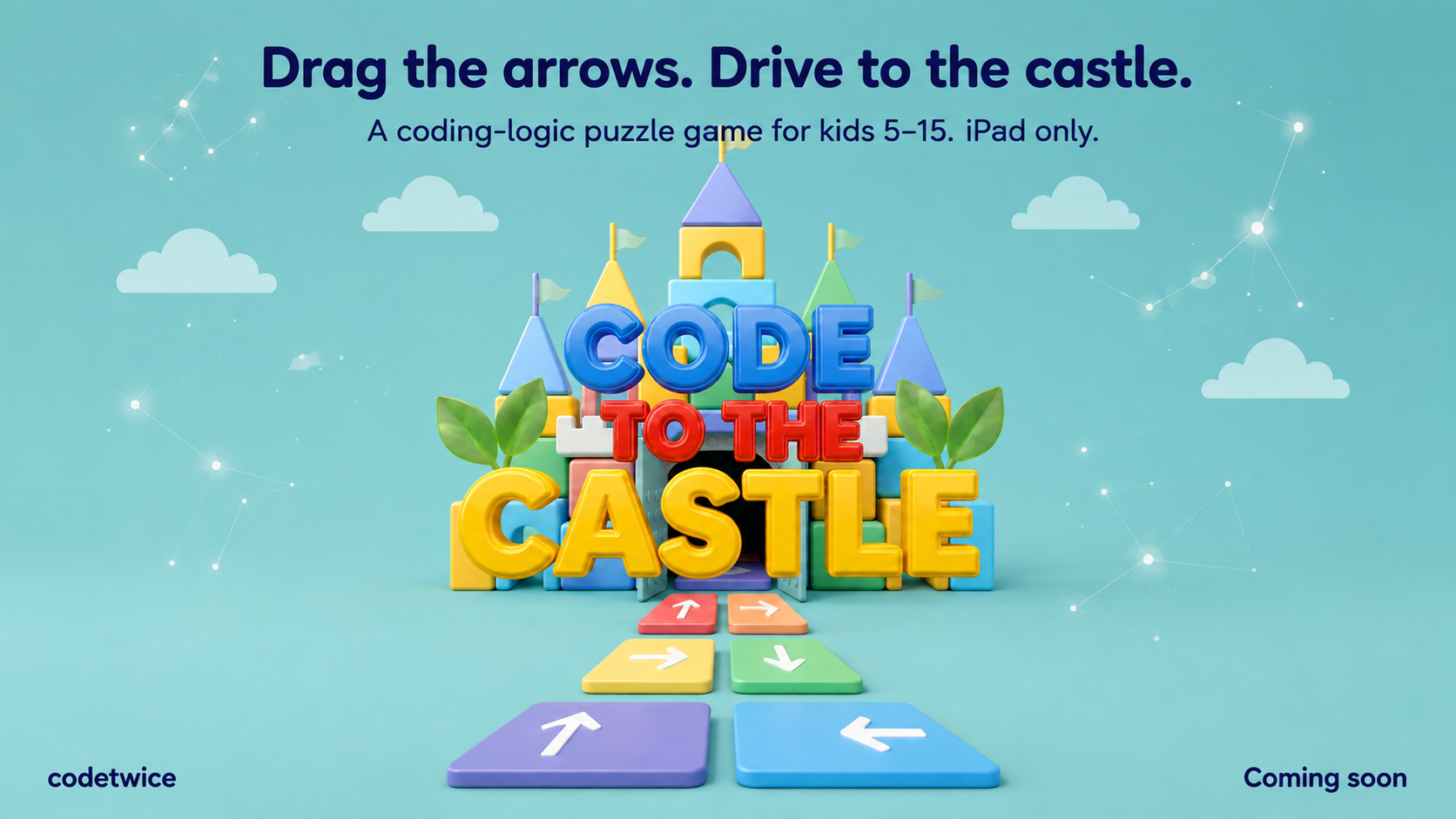
Kids build a little program out of arrows and loops, then watch their car drive it all the way to the castle. A coding and logic puzzle game for ages 5 to 15.
- Developer
- Codetwice, Malta
- Platform
- iPad only, iPadOS 17 or later, landscape
- Genre
- Educational logic puzzle
- Audience
- Children aged 5 to 15
- Price
- Free to download; optional level packs, €2.99 to €4.99
- Release
- Coming soon
- App Store
- Not yet available
- Press contact
- contact@codetwice.eu
About the game
Code to the Castle is a coding and logic puzzle game for iPad, designed for children aged 5 to 15.
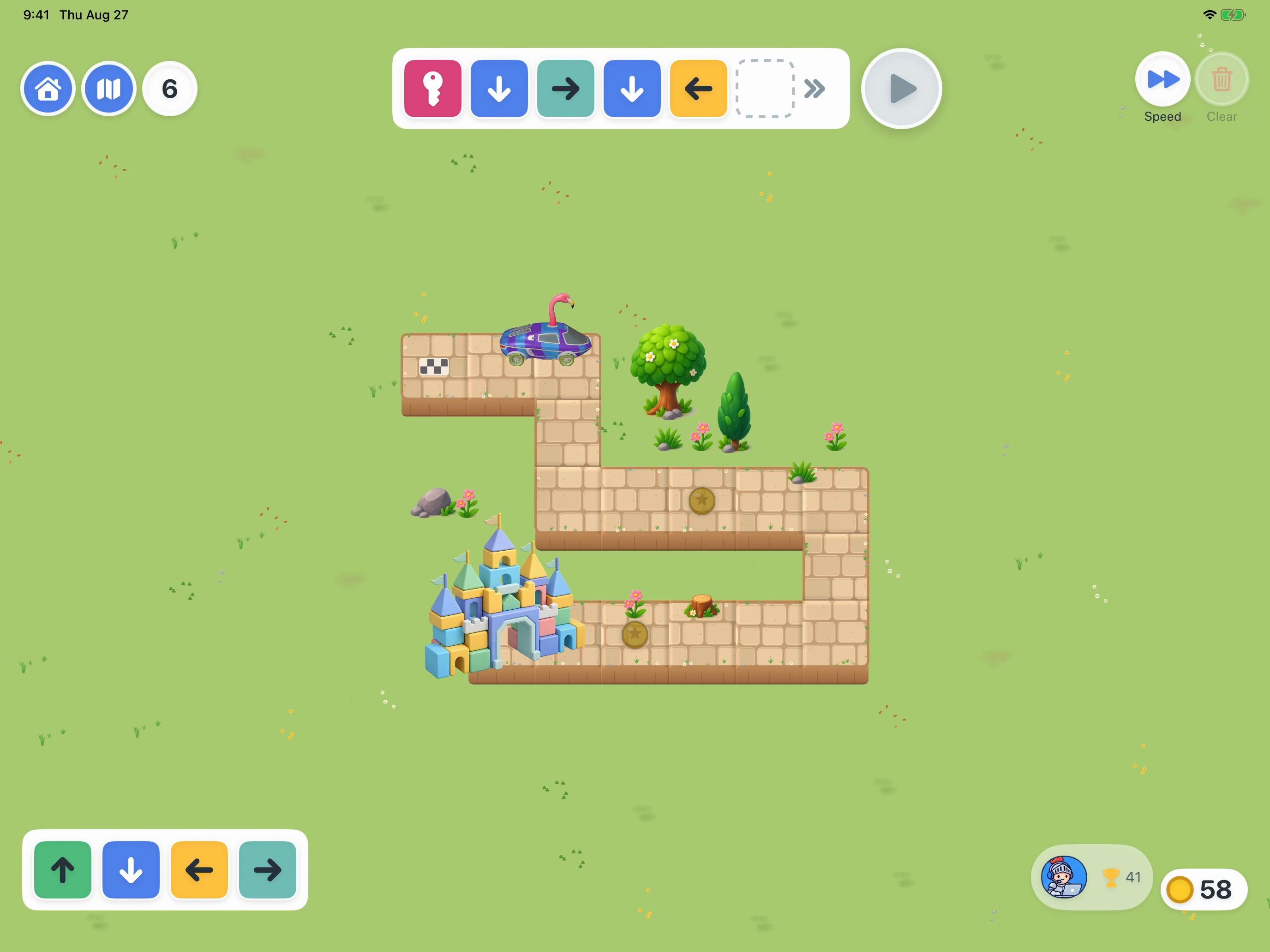
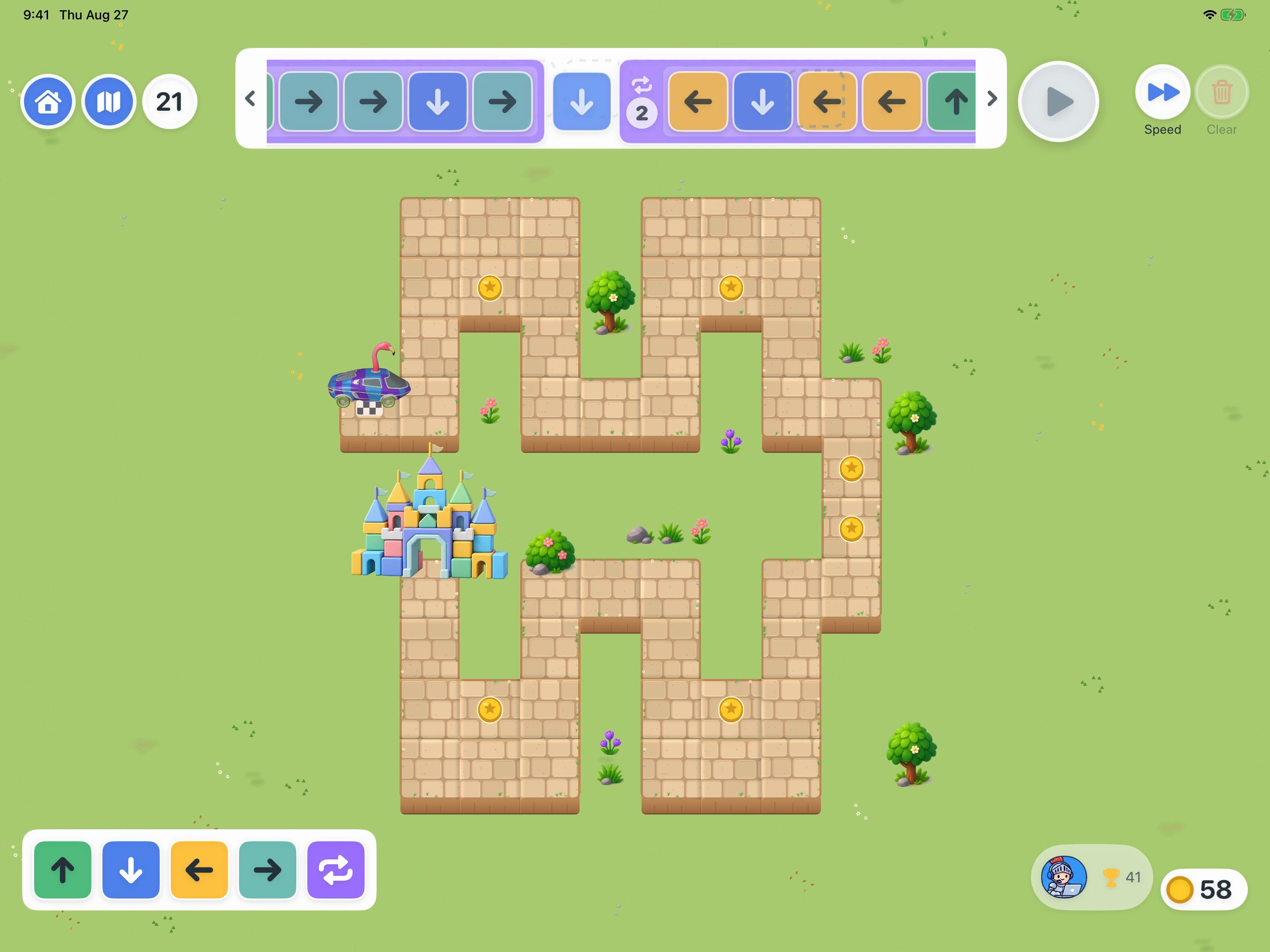
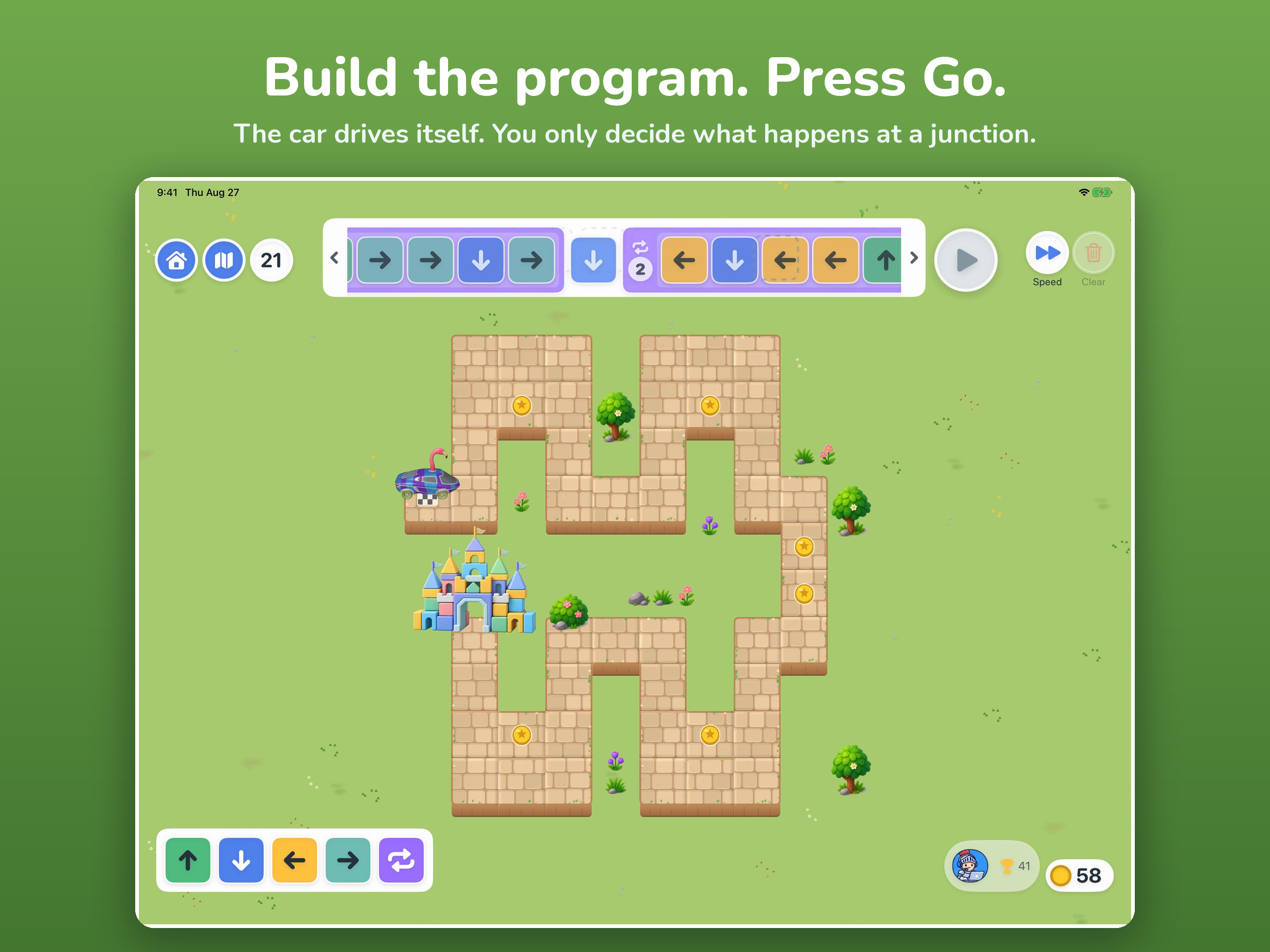
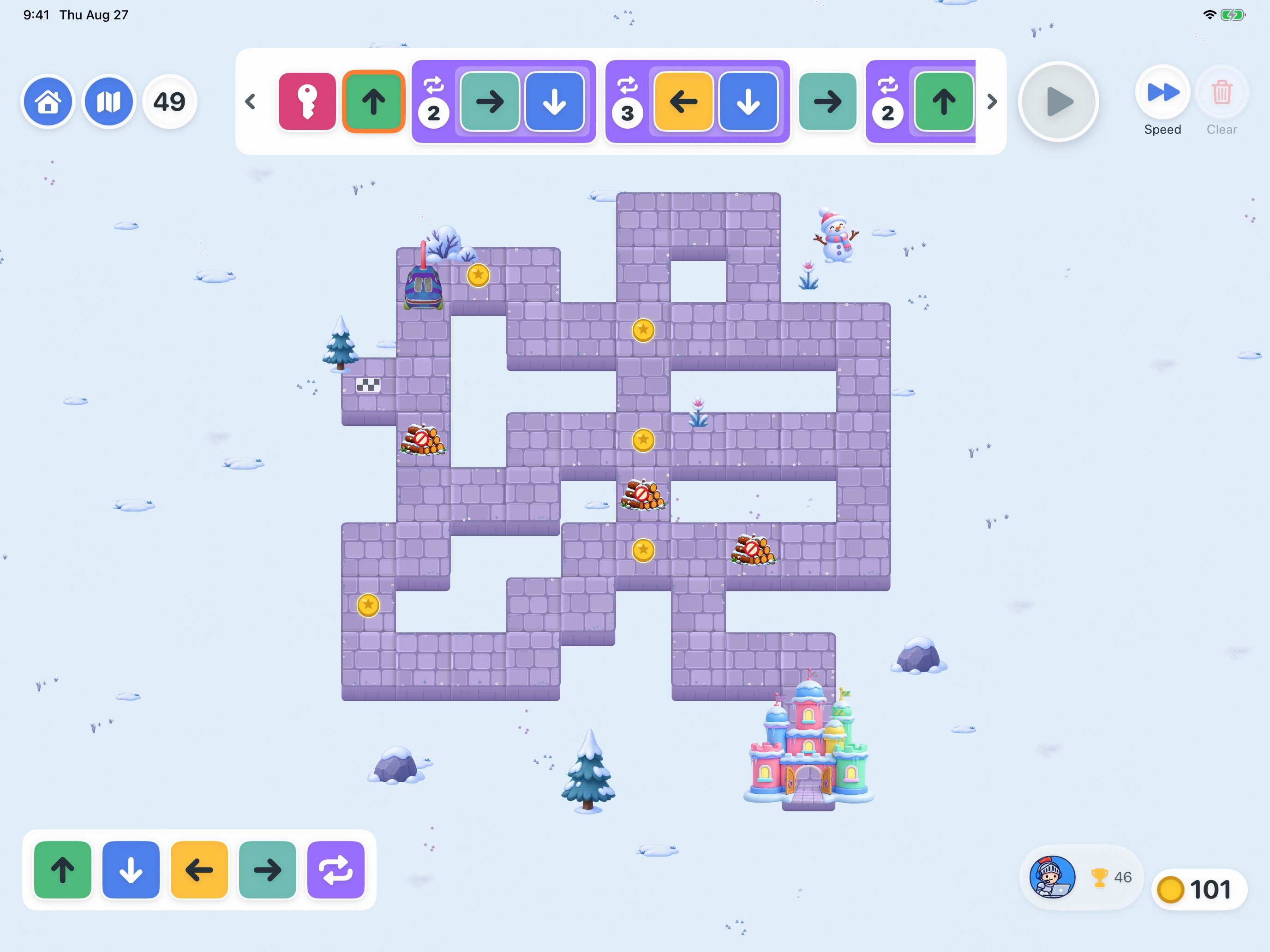
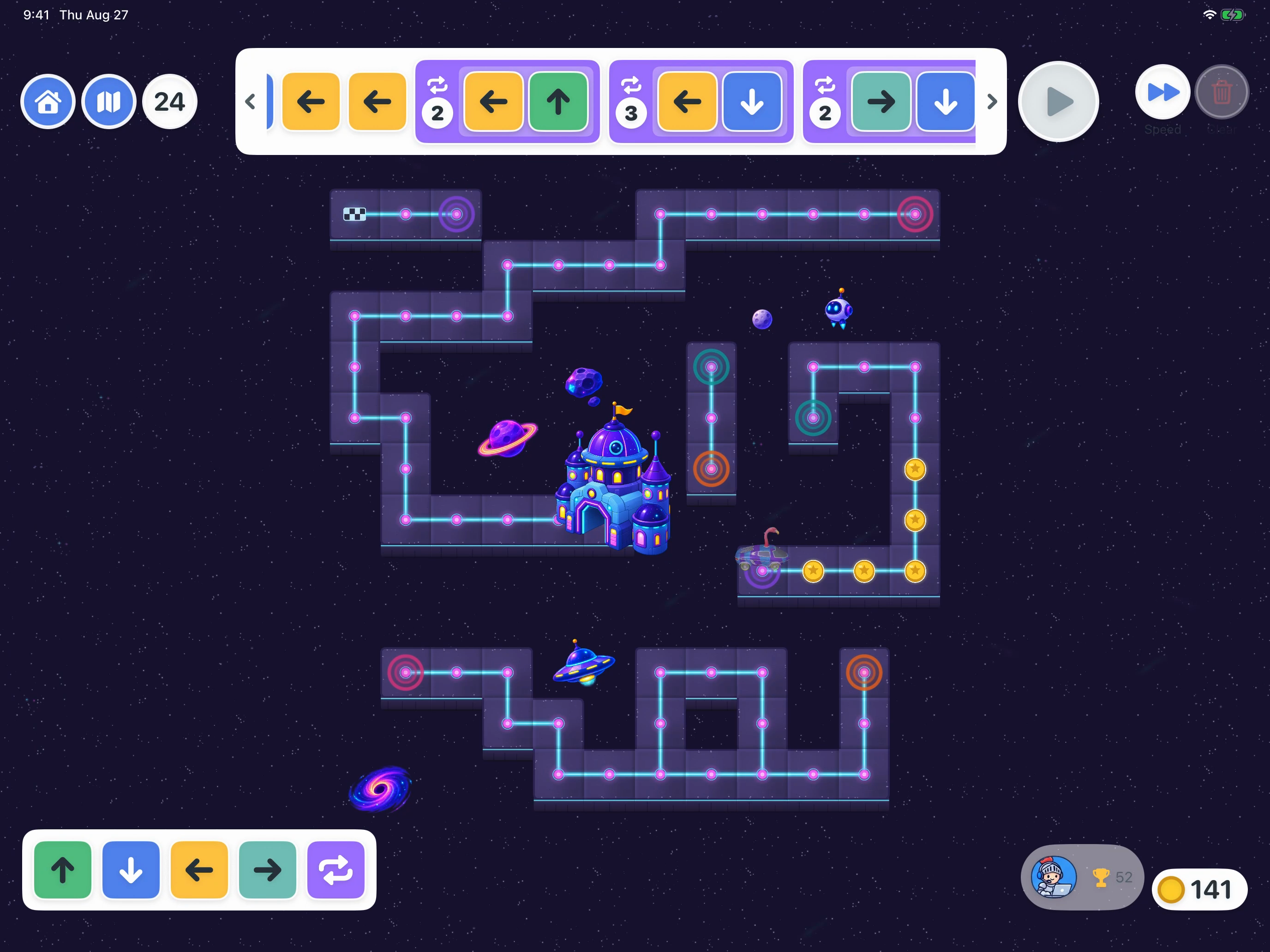
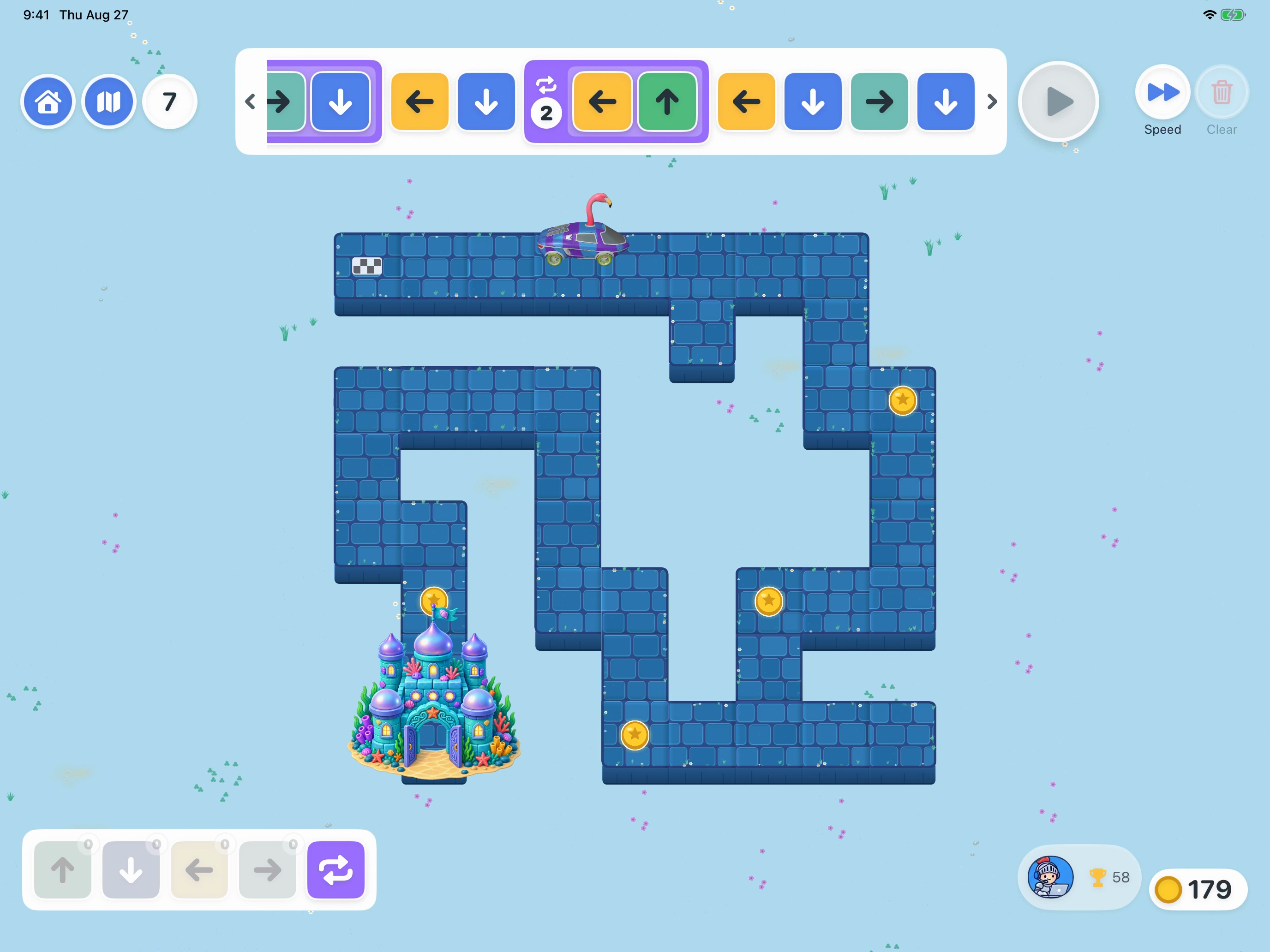
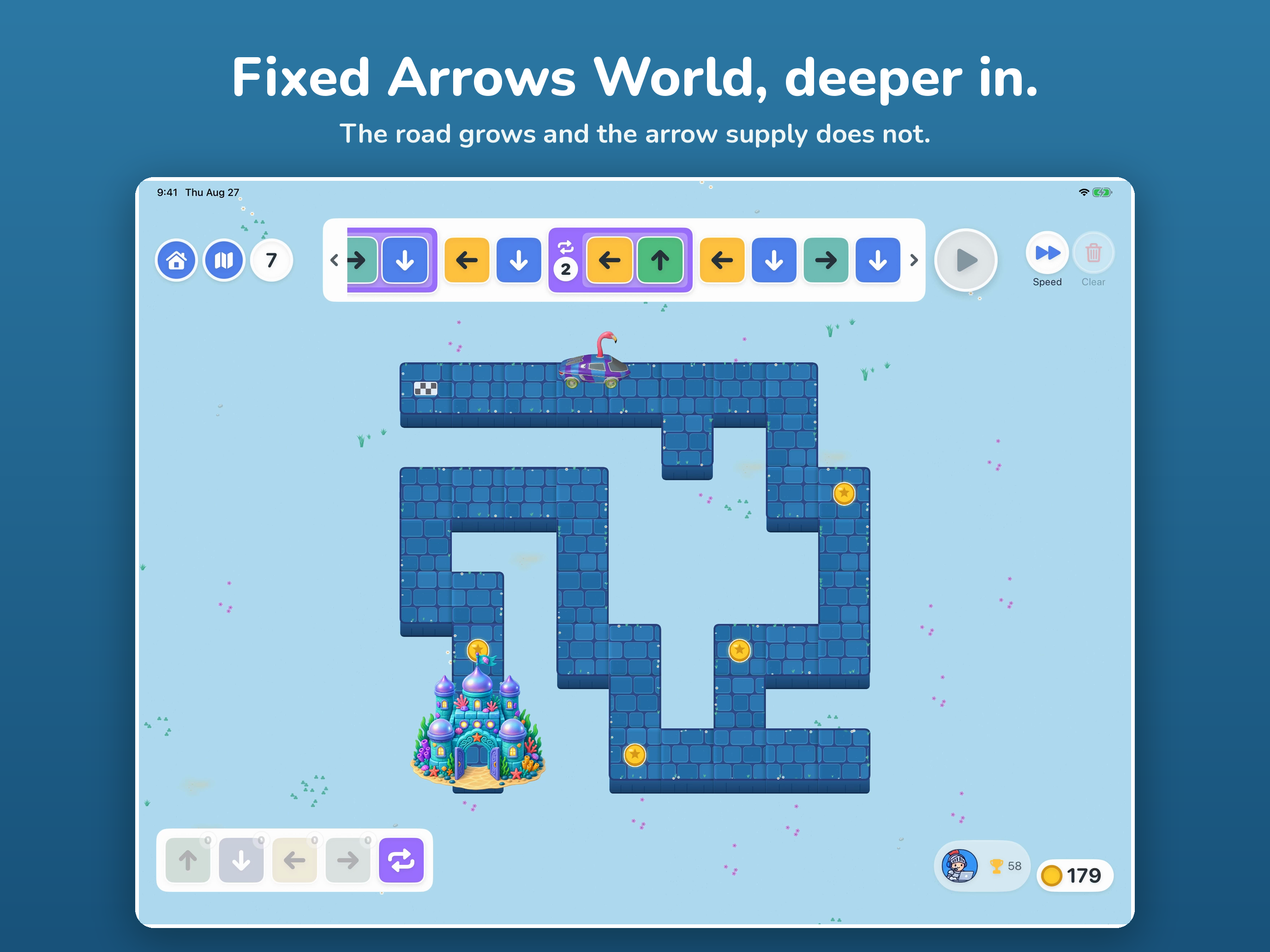
Each level is a road viewed from above, with a car at the start and a castle waiting at the end. The car moves forward on its own, while the player decides where it should go at each junction. Instruction blocks, arrows, and loops that repeat them are dragged into a simple program strip at the top of the screen. Press Go, and the car follows the program one block at a time.
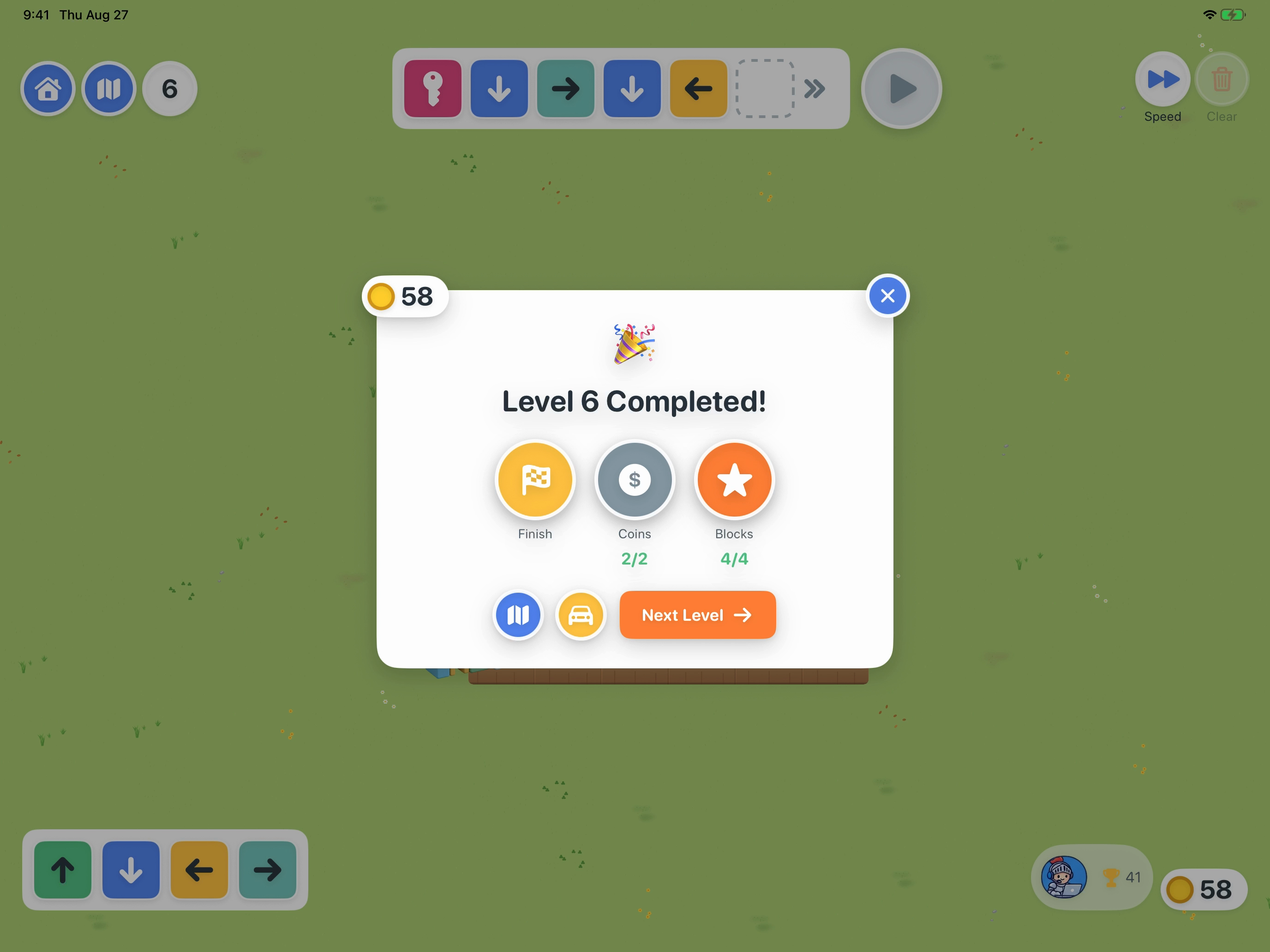
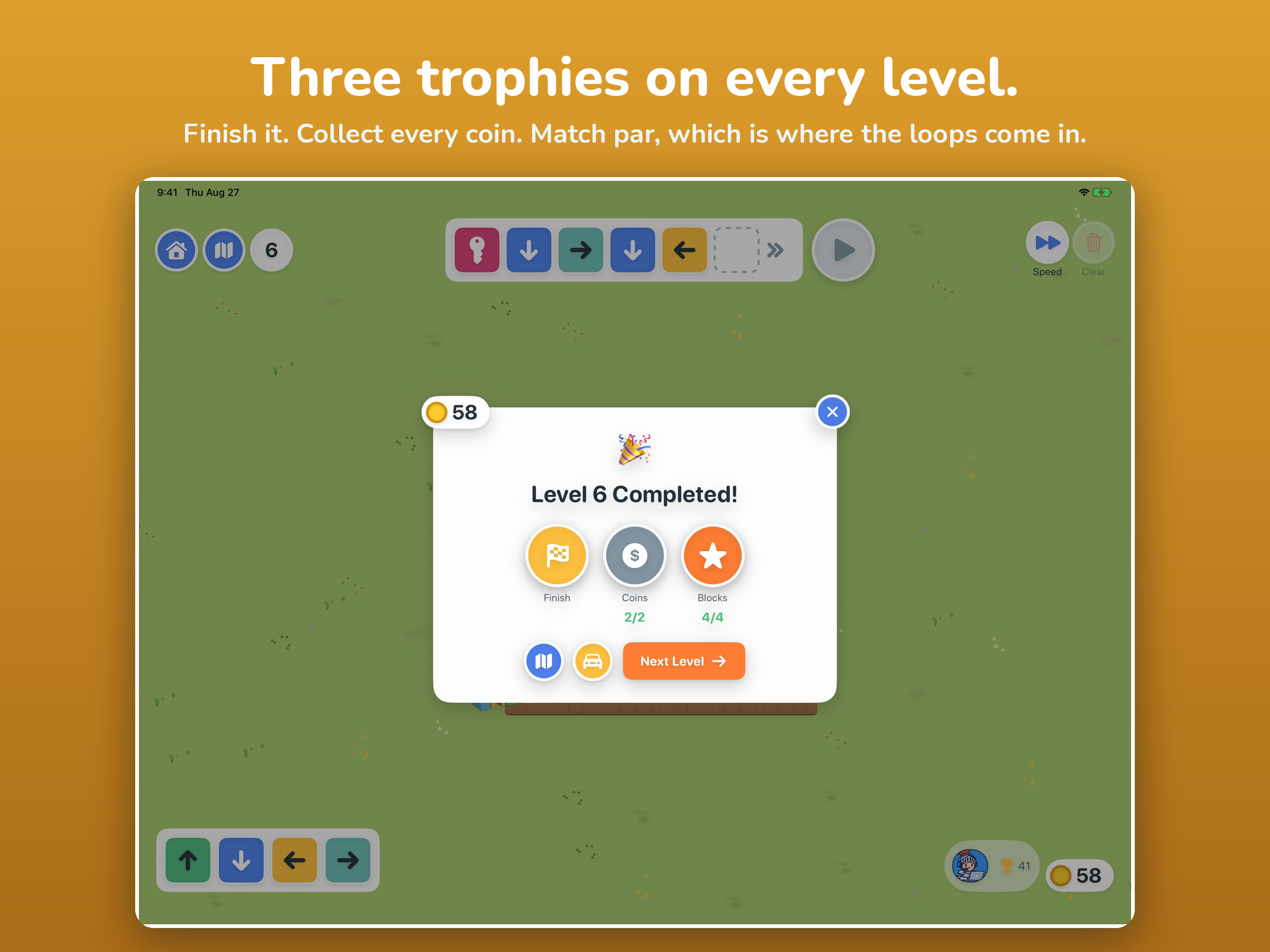
Reach the castle to collect coins and trophies. Take a wrong turn or crash? No problem. Nothing is lost. Simply change the program and try again.
The game starts with simple four-block programs and gradually introduces more challenging concepts. There is almost no text in the game. Instead, children work with arrows, numbers, and icons, making it accessible even to players who are not reading independently yet.
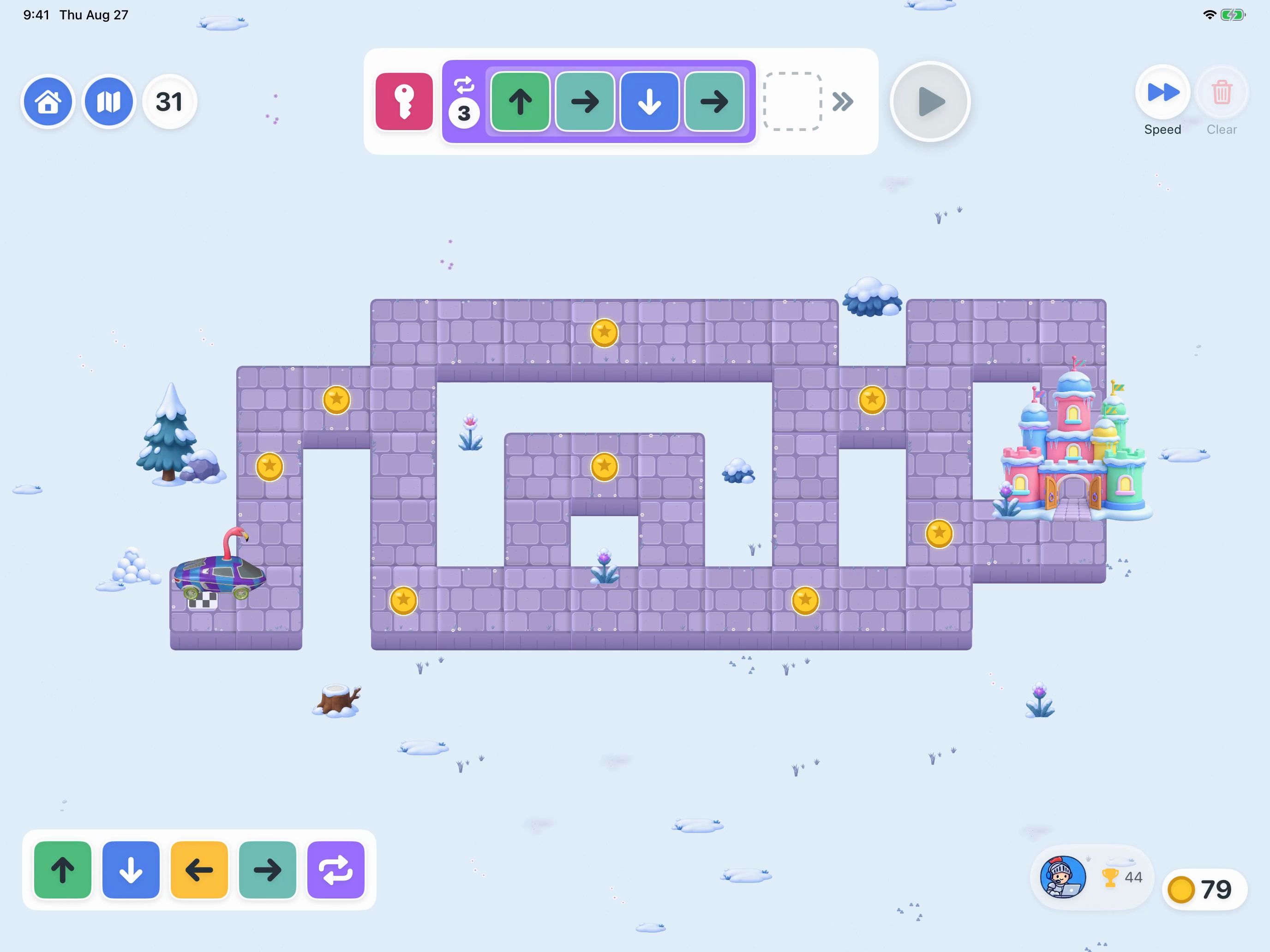
Older children can take on an additional challenge. Every level has a par block count, encouraging players to find shorter and smarter solutions. Reaching par often means discovering how to use a loop instead of programming every move individually.
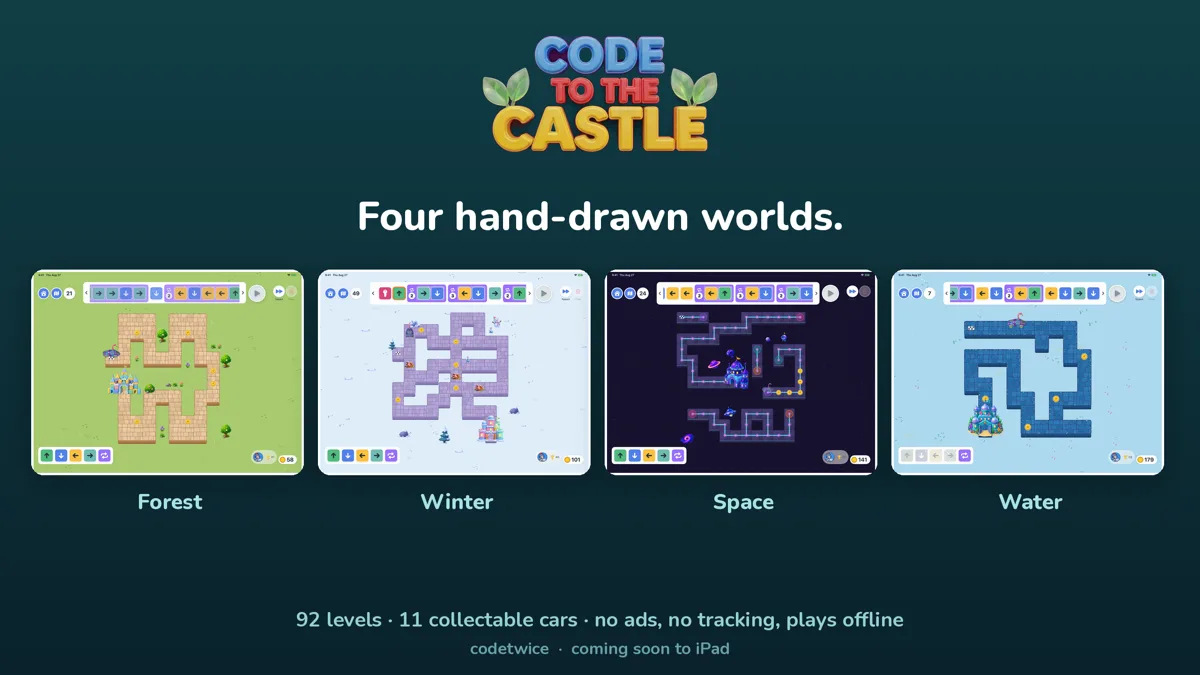
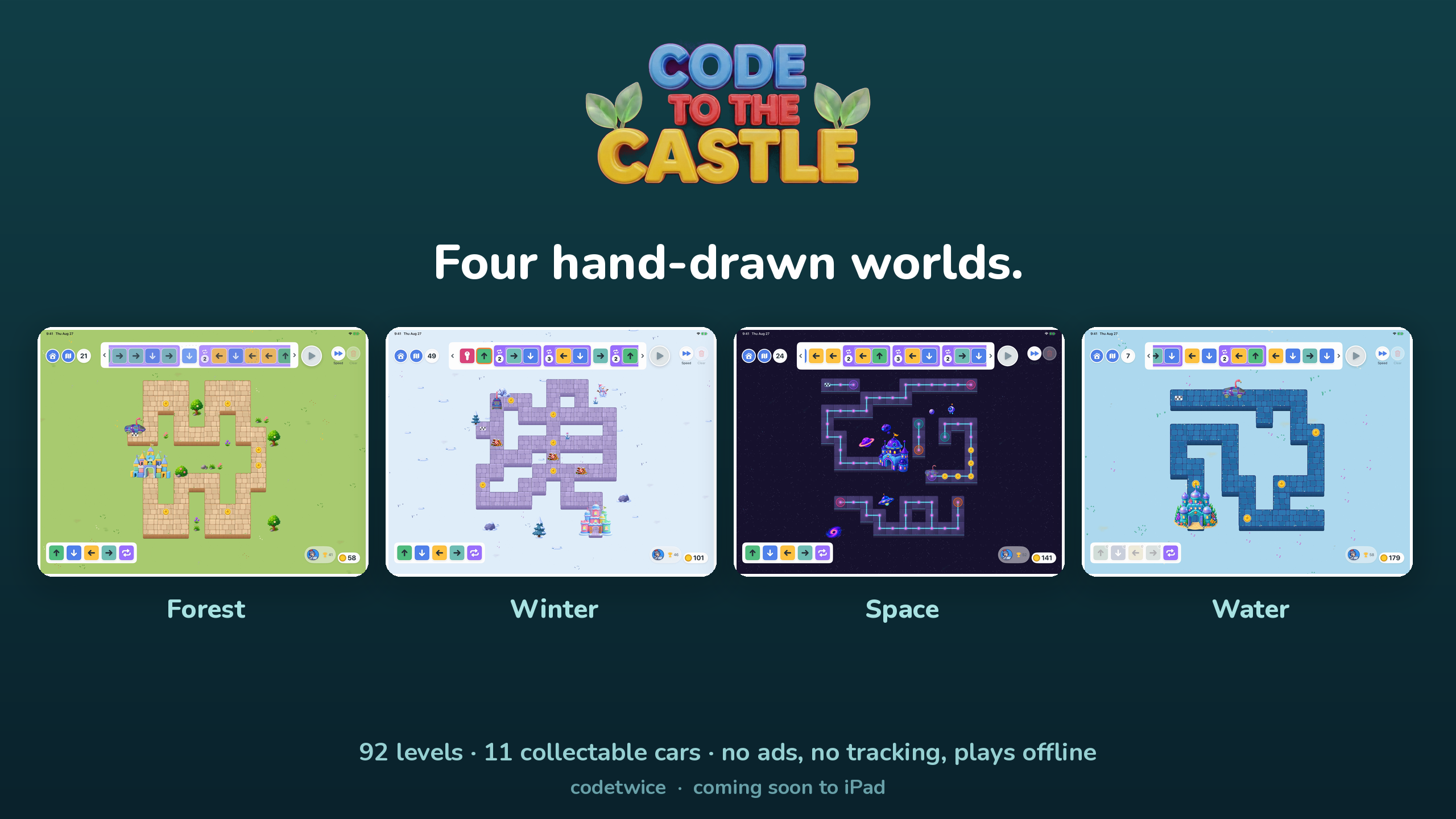
Code to the Castle launches with 92 levels across three worlds, with more puzzles and challenges planned for the future.
52levels
The Main Road
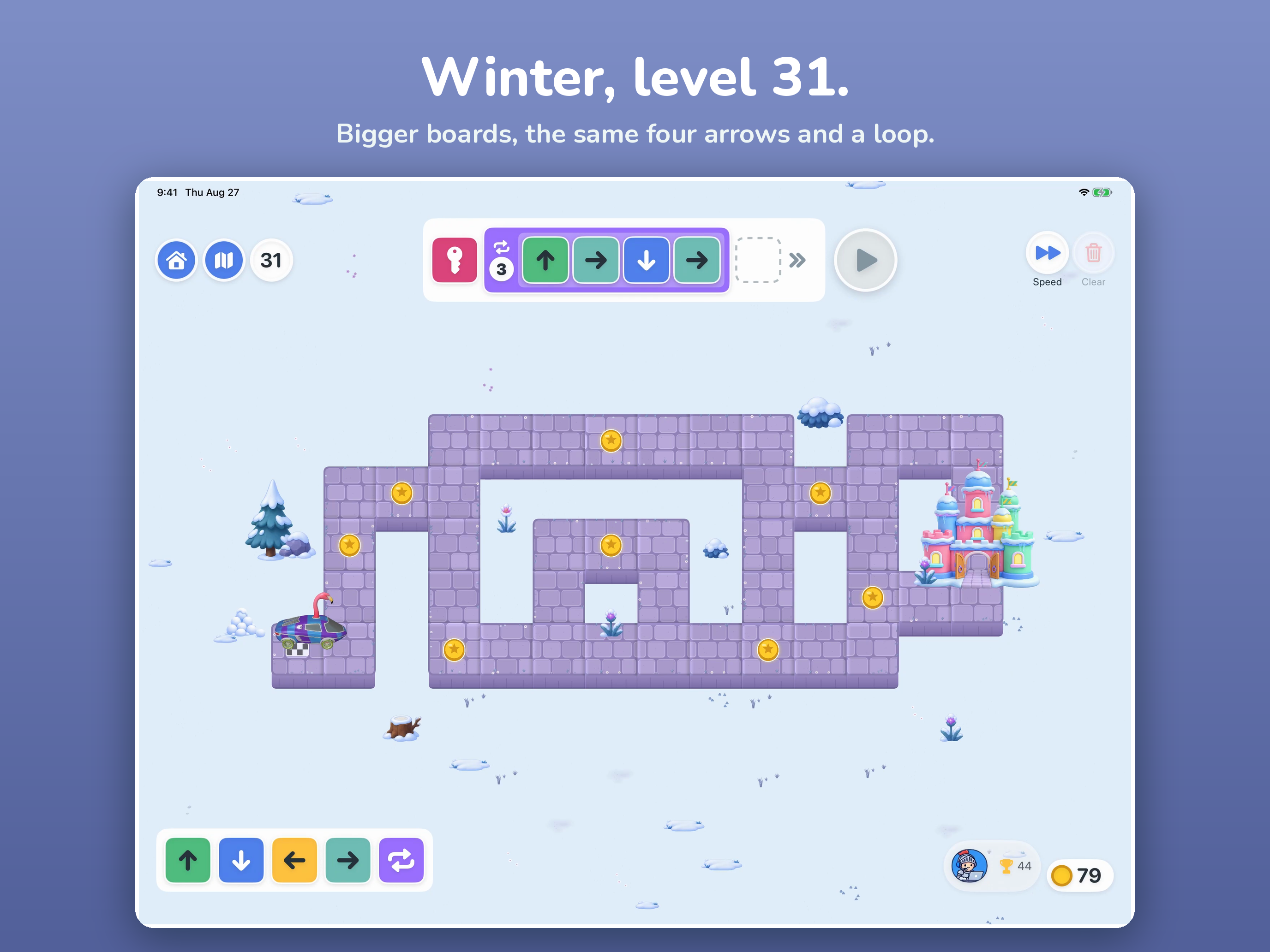
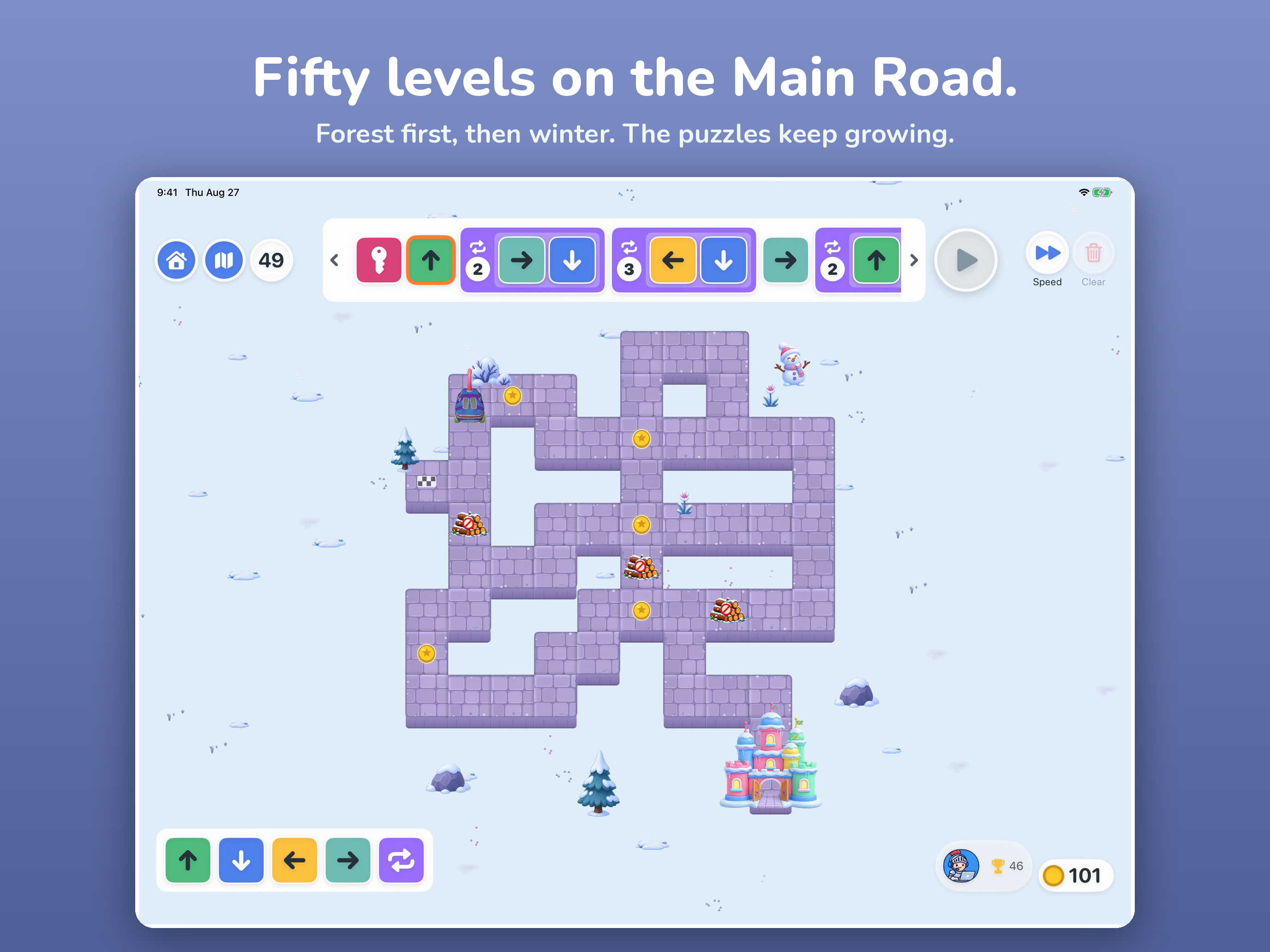
Fifty levels through a forest and then a winter landscape, plus two side roads that branch off it to unlock new worlds of challenges.
30levels
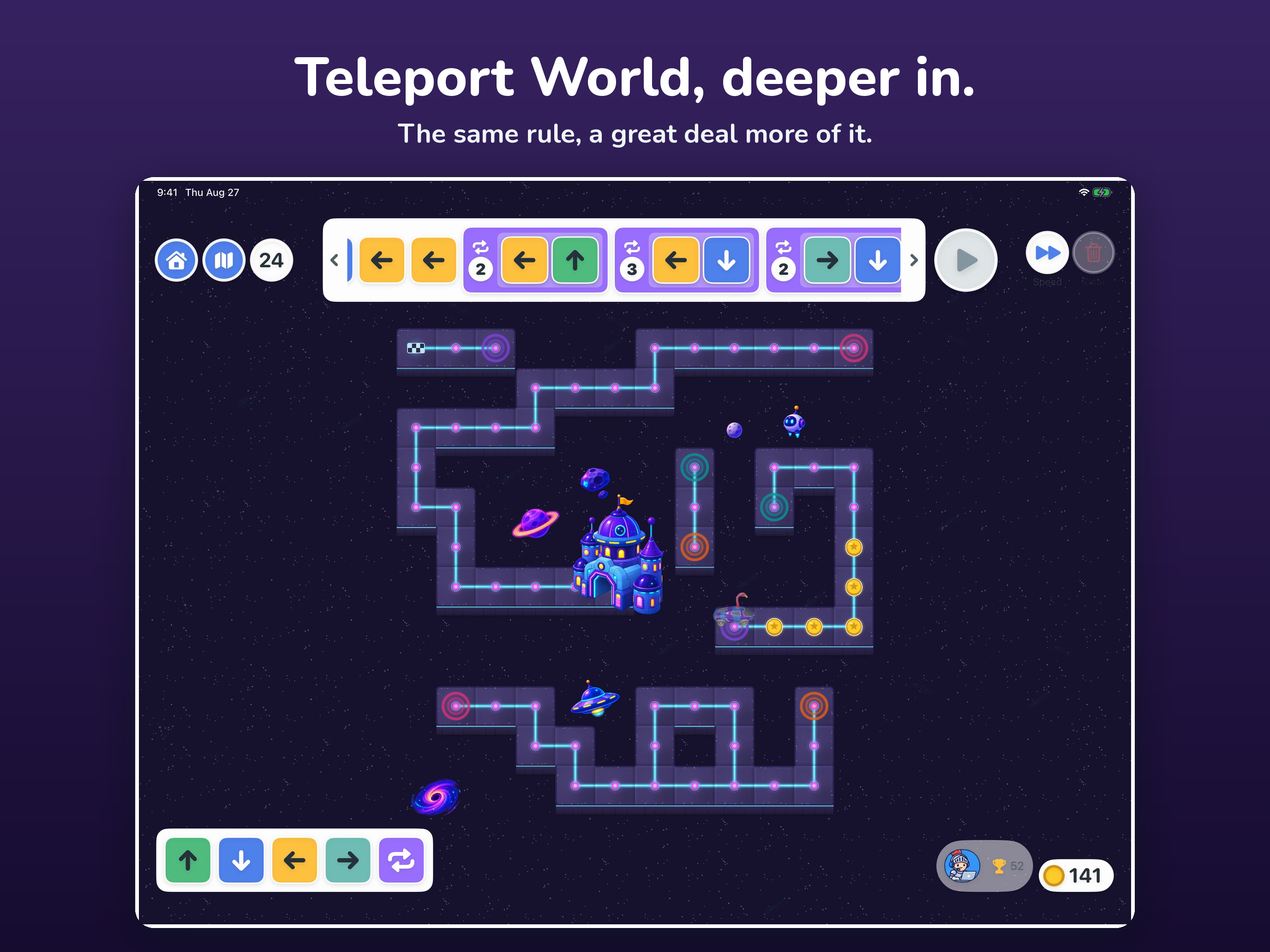
Teleport World
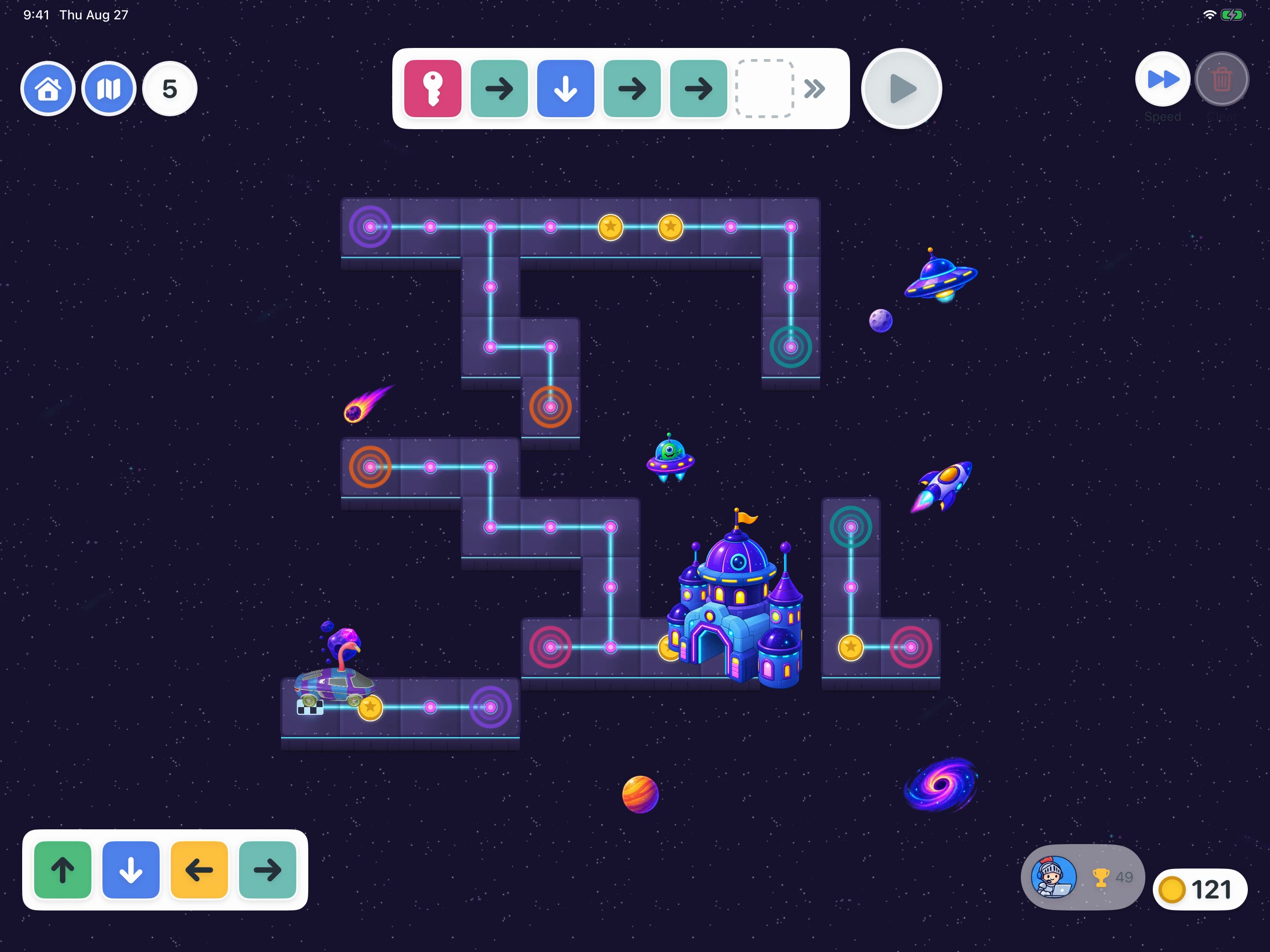
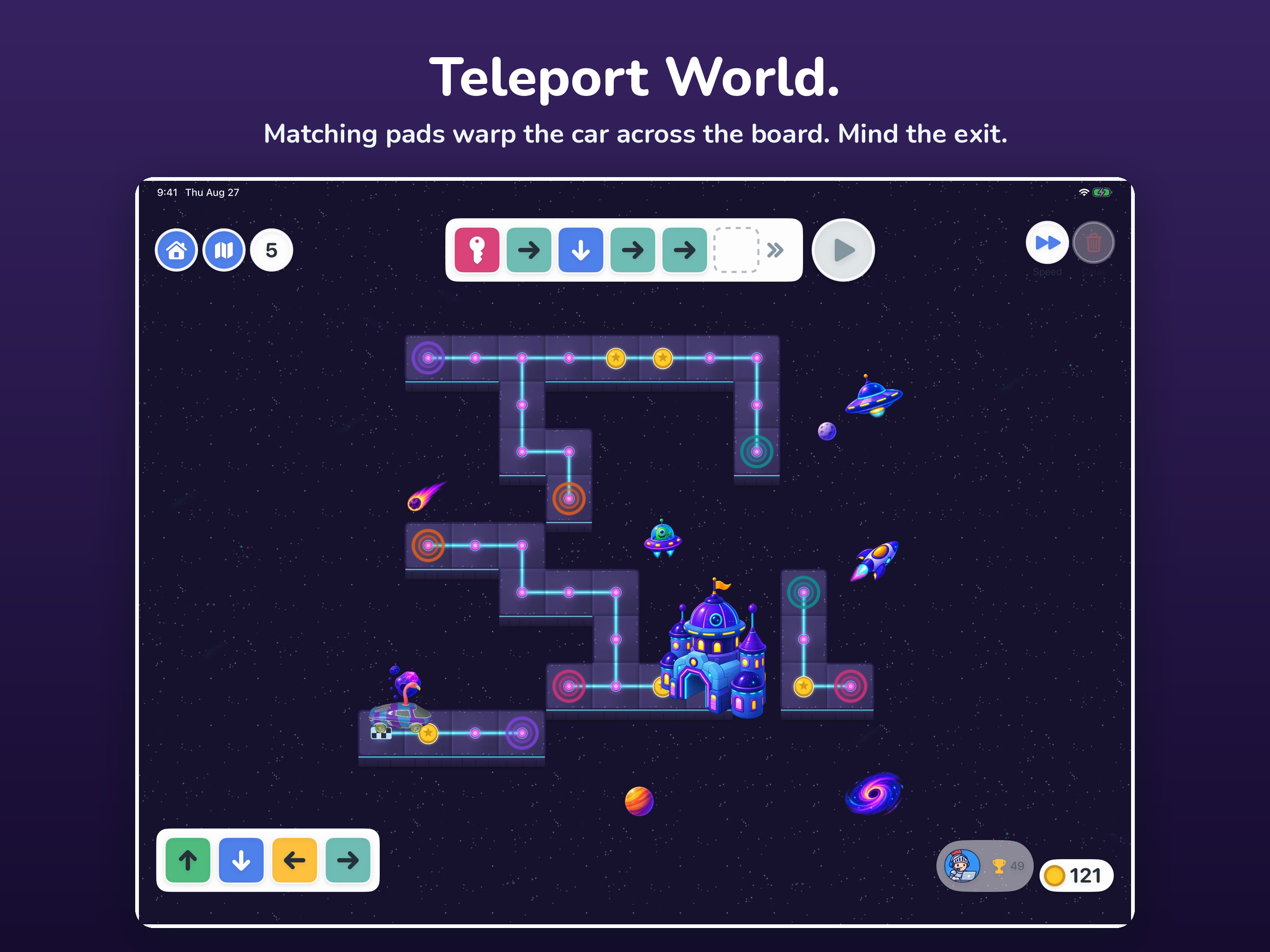
Set in space. Matching pads warp the car across the board, and it keeps whatever direction it arrived in.
10levels
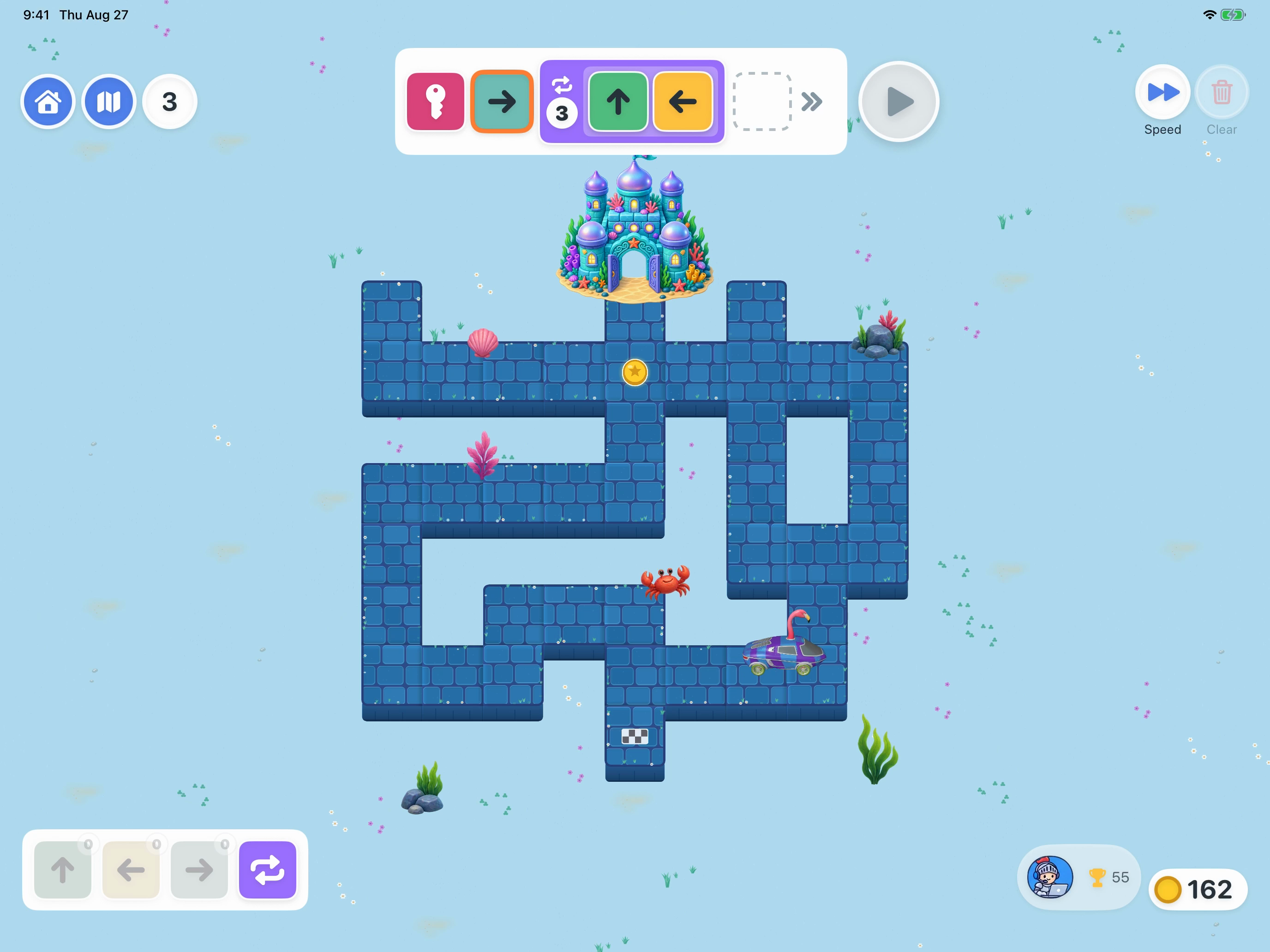
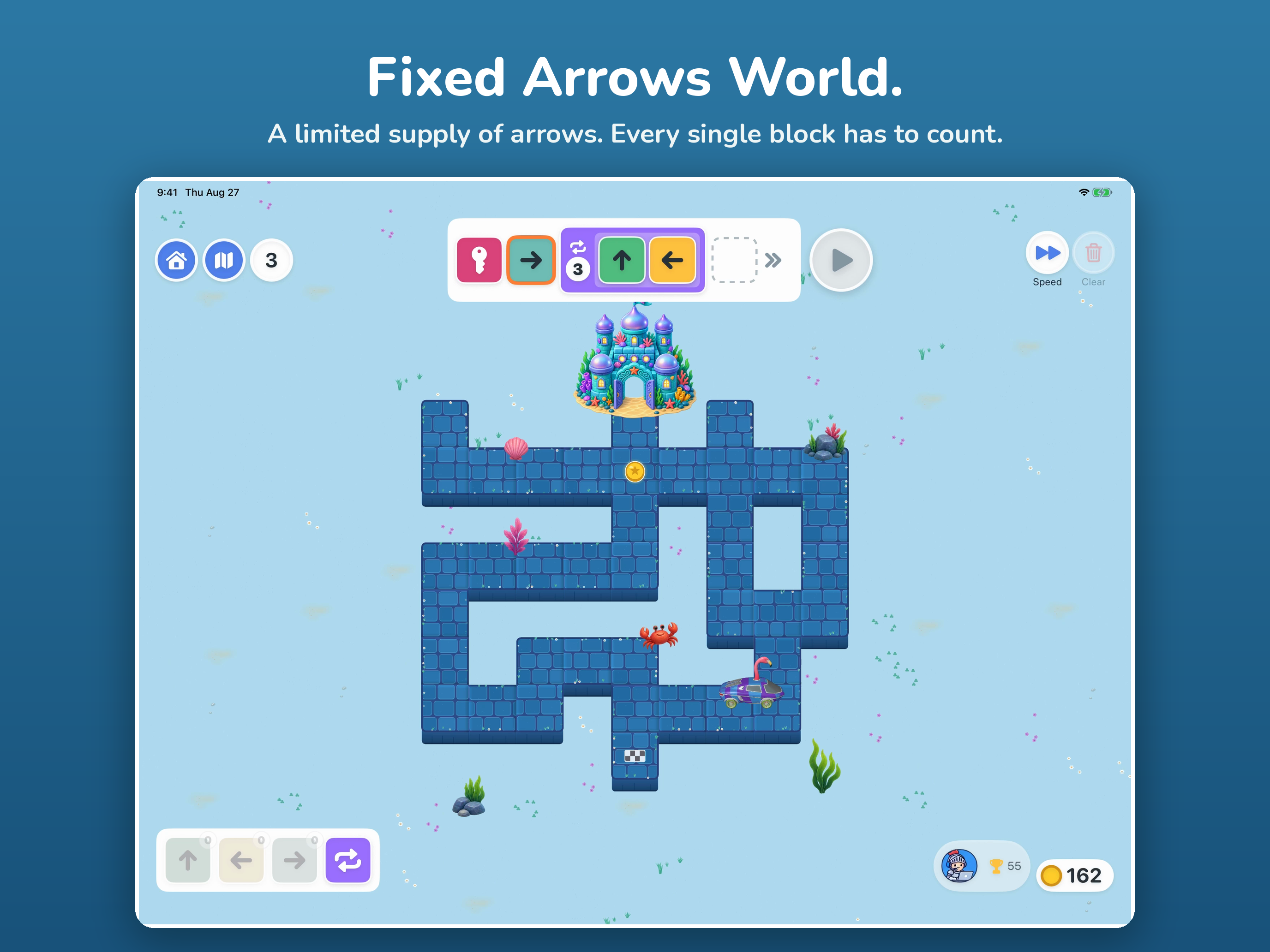
Fixed Arrows World
Underwater. The supply of arrows is limited, so every block in the program has to earn its place.
Explore new worlds
The two side roads are the gateways to new worlds. Beat a side road, and the world it introduces opens up for you to explore.
Collect, customise and drive
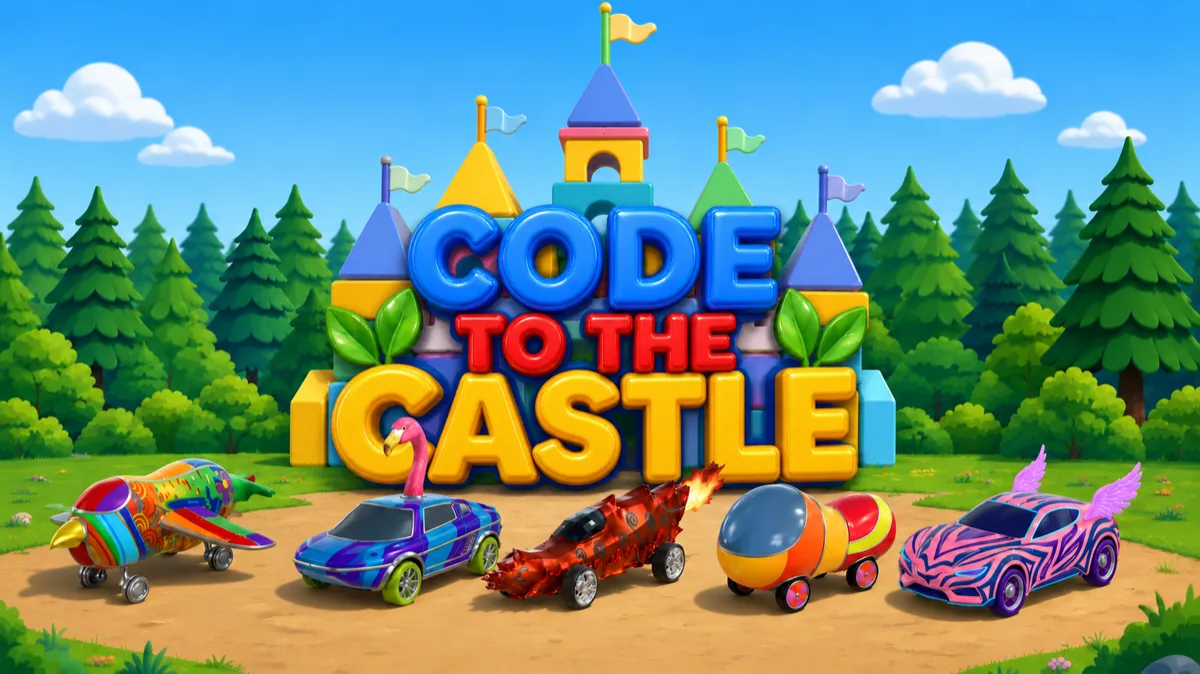
Coins earned along the way can be spent in the garage on eleven different cars and a range of colourful paint jobs. Some paints are special rewards that can only be won by completing side roads.
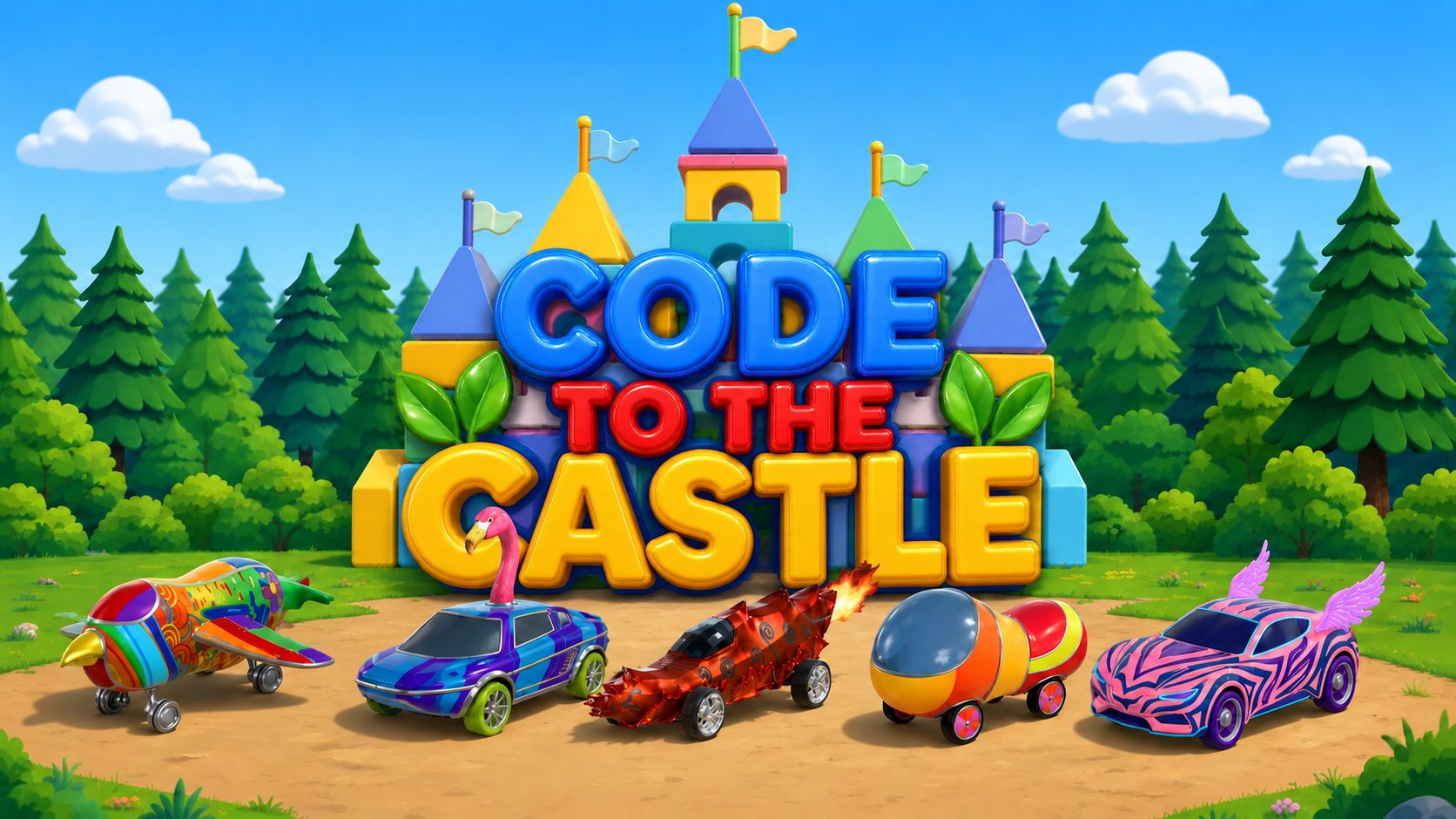
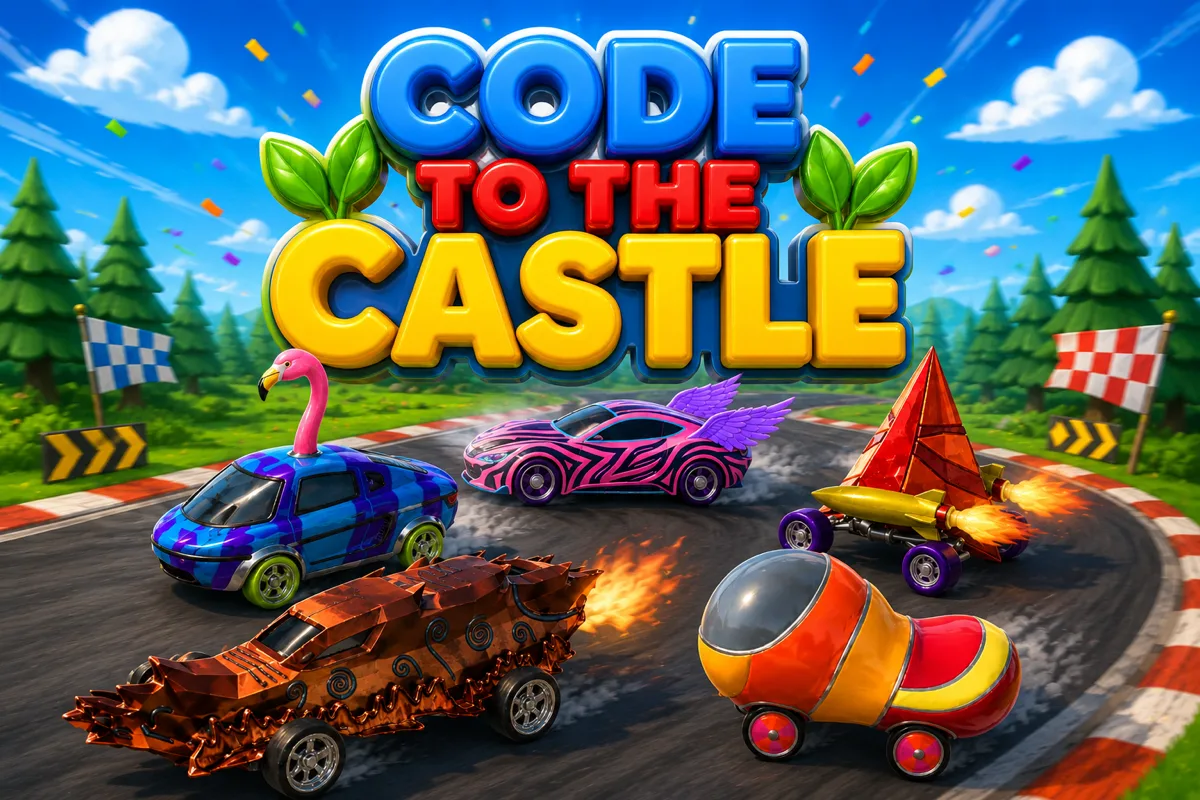
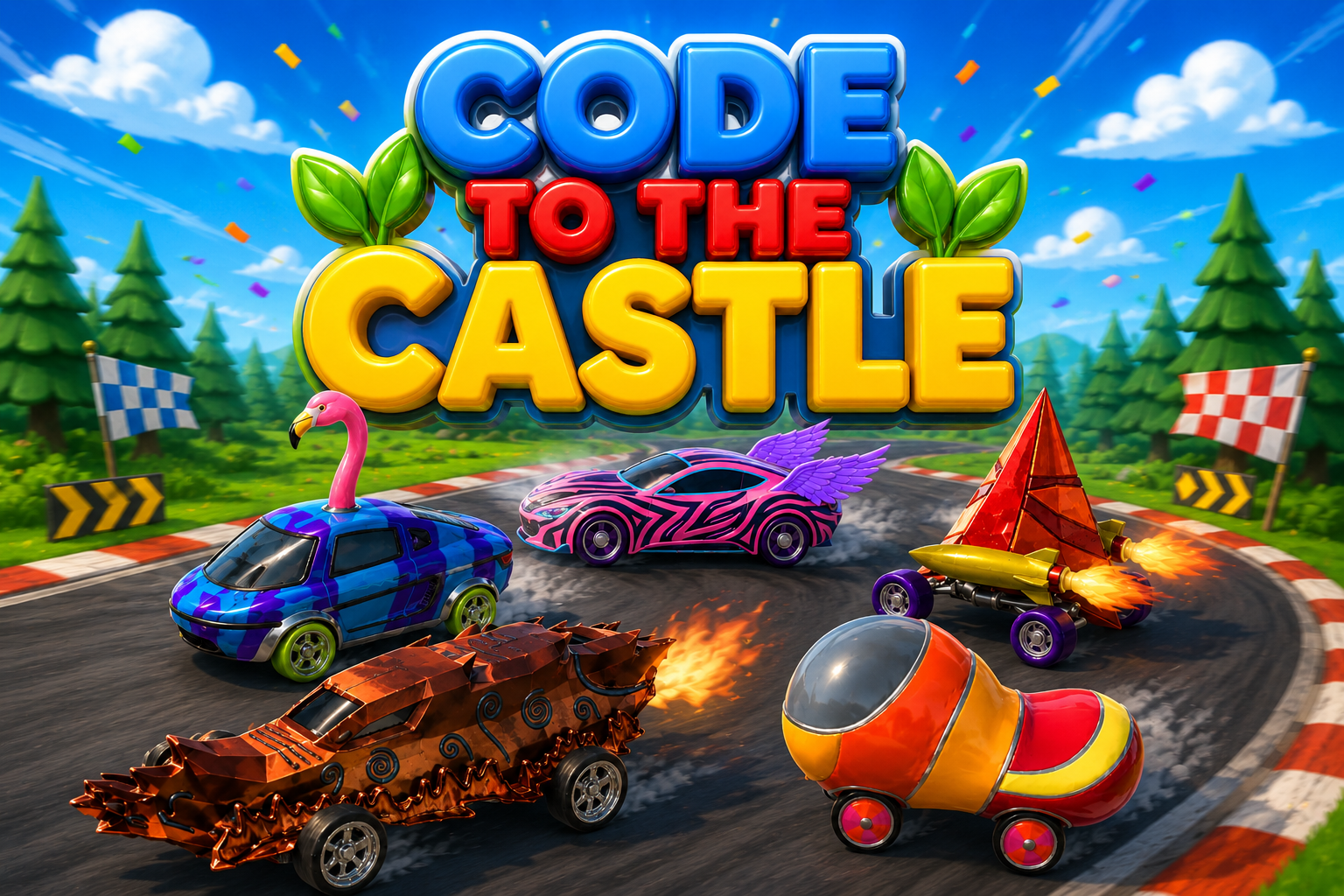
Every car in the game has its own little story. Each one started as a pencil drawing by one of the developer's children, was turned into a 3D model, and then brought to life in the game as a car you can drive.
Private by design
Code to the Castle has no advertising, no analytics, and no third-party code. The game works entirely offline. It only connects to the network when it needs to sync player profiles through the player's own iCloud account or process App Store purchases.
There is no sign-up, no separate account, and nothing collected from players. Purchases and all links that lead outside the app are protected by a parental gate.
Simple, family-friendly pricing
The first ten levels are free, along with the side road that unlocks Teleport World and its three introductory levels.
Everything beyond the free content is available as one-off expansion packs. There are no subscriptions, no consumable items, and no in-game currency to purchase.
Packs are shared across the whole household through Apple Family Sharing, so one purchase can be enjoyed by the family.
Screenshots
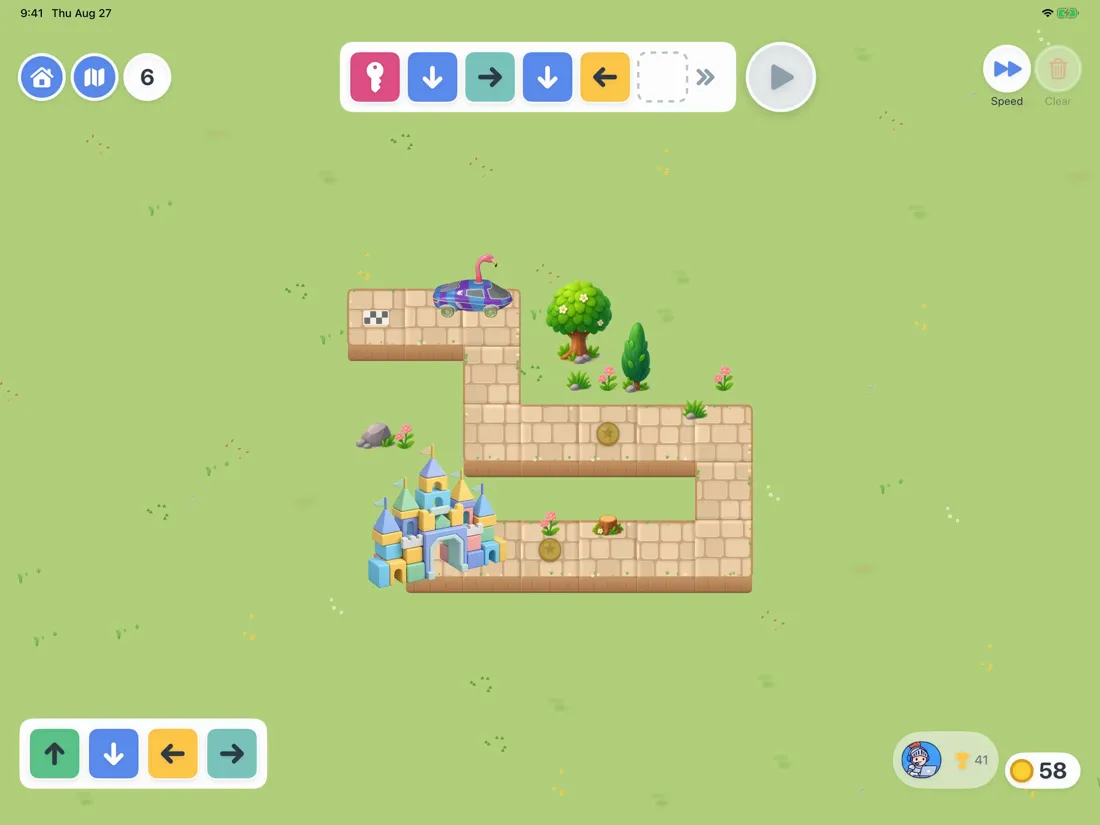
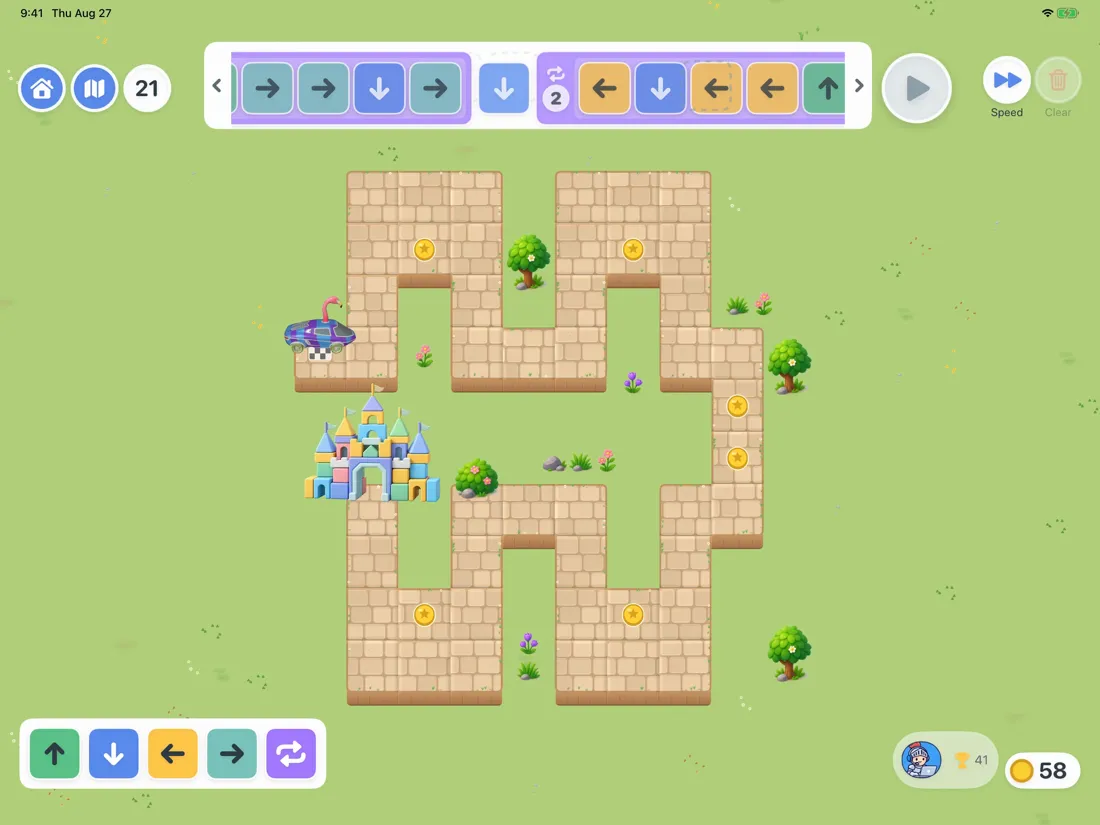
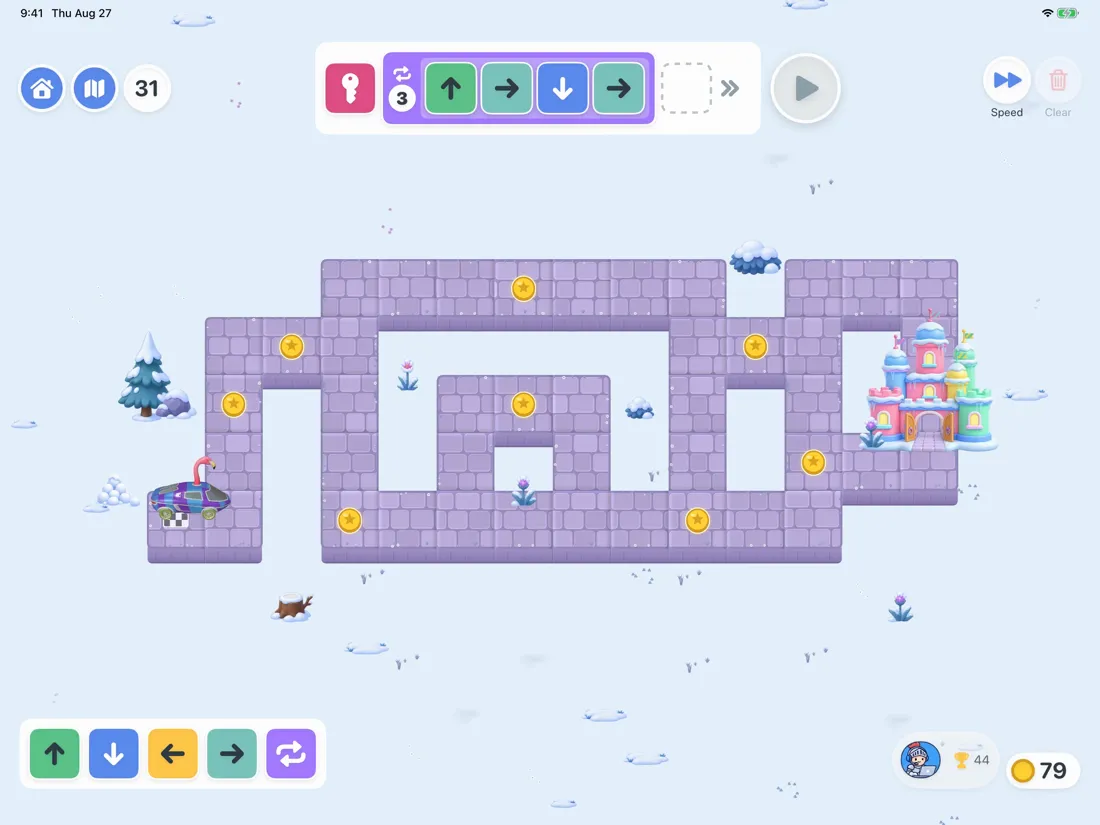
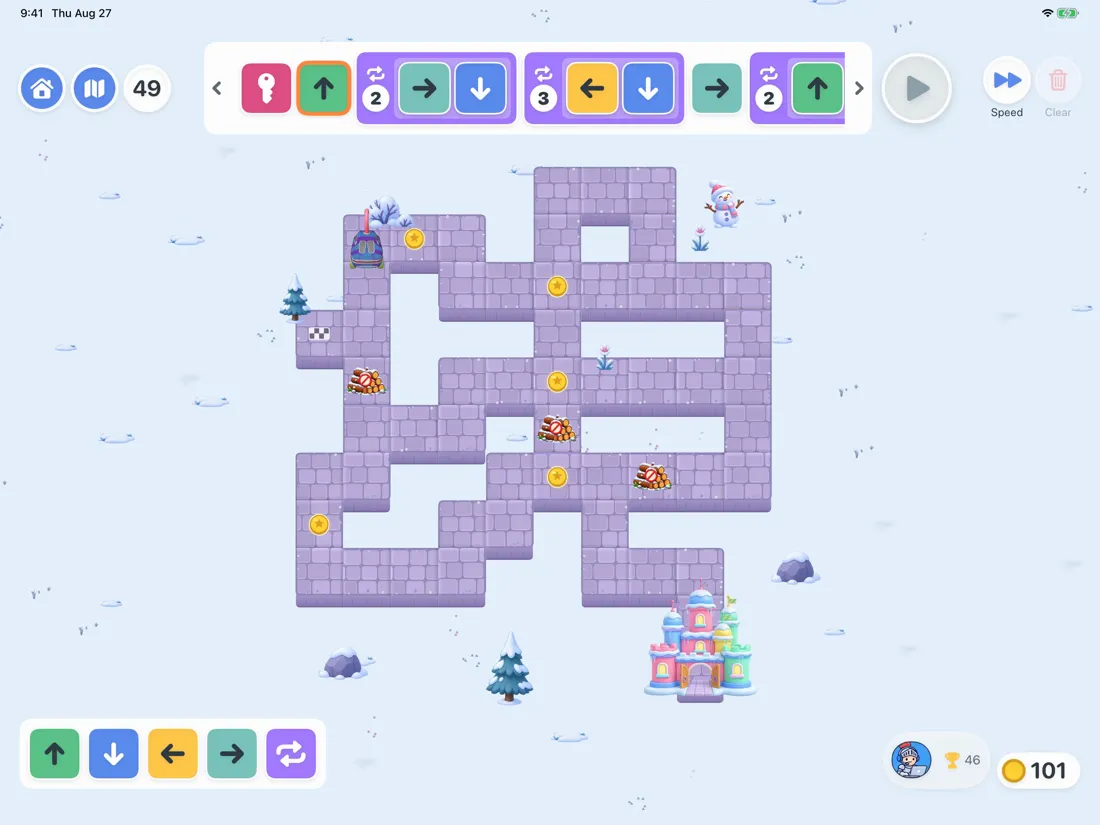
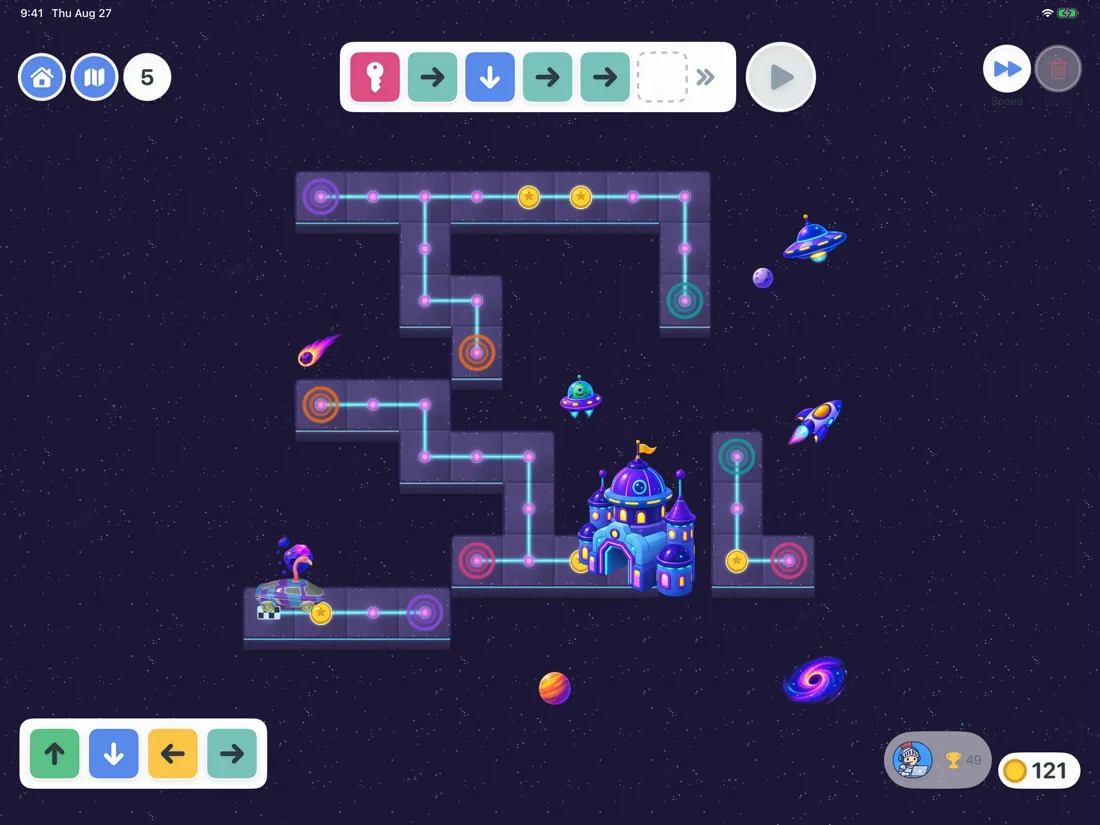
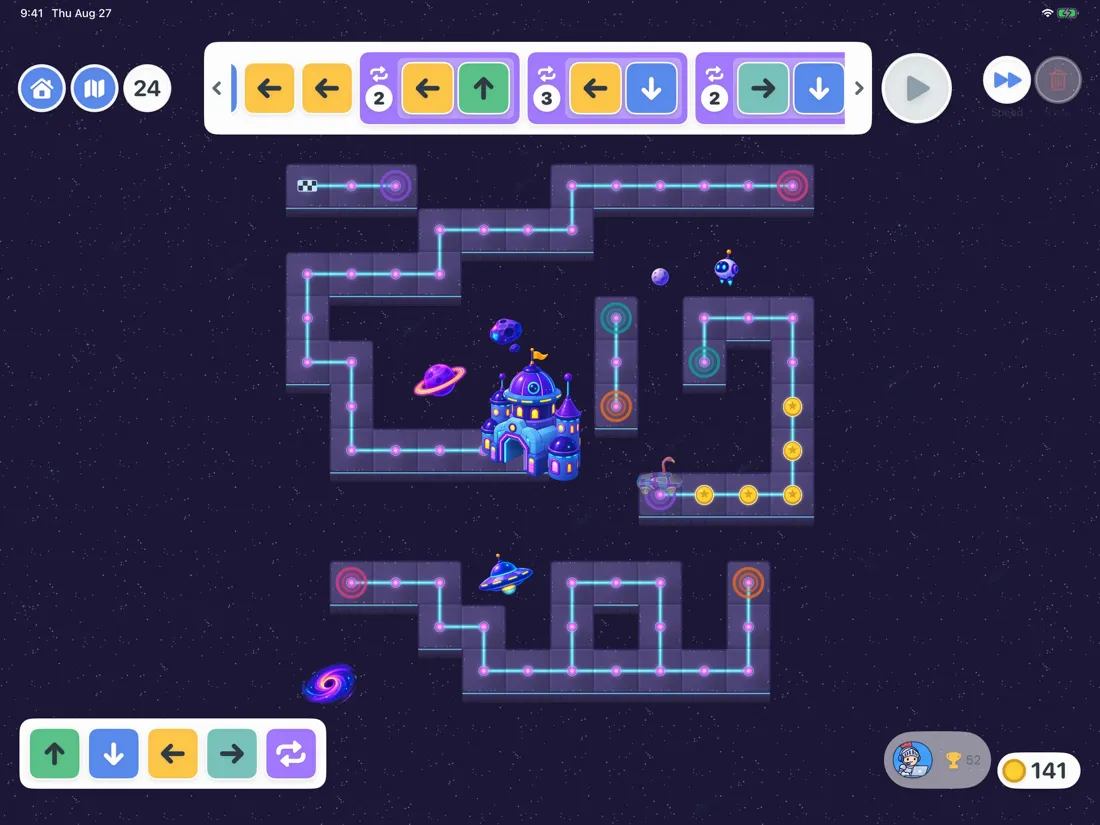
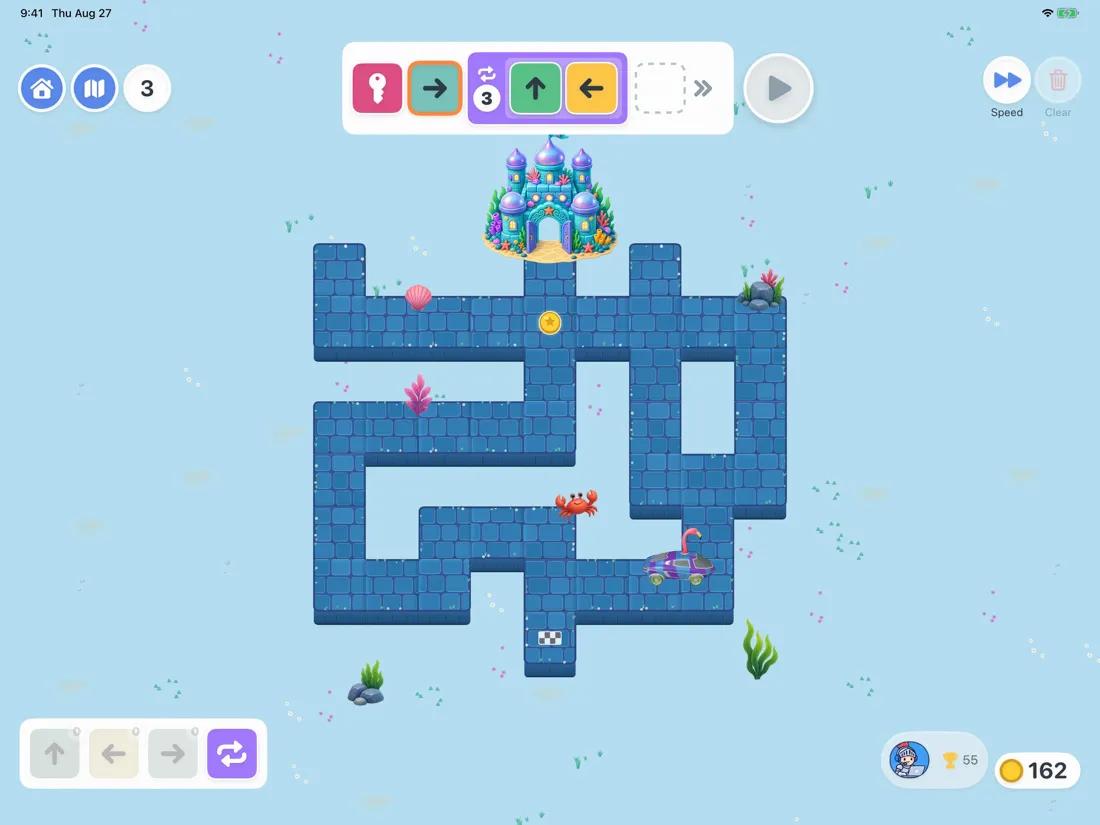
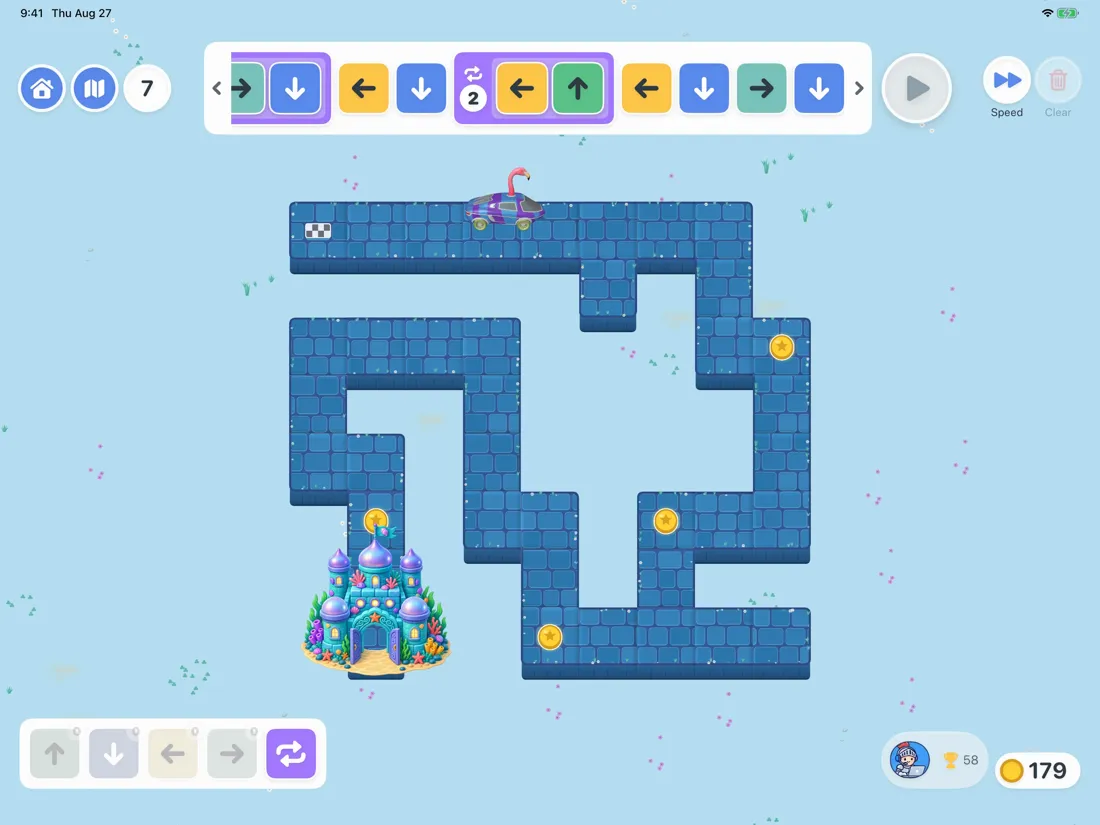
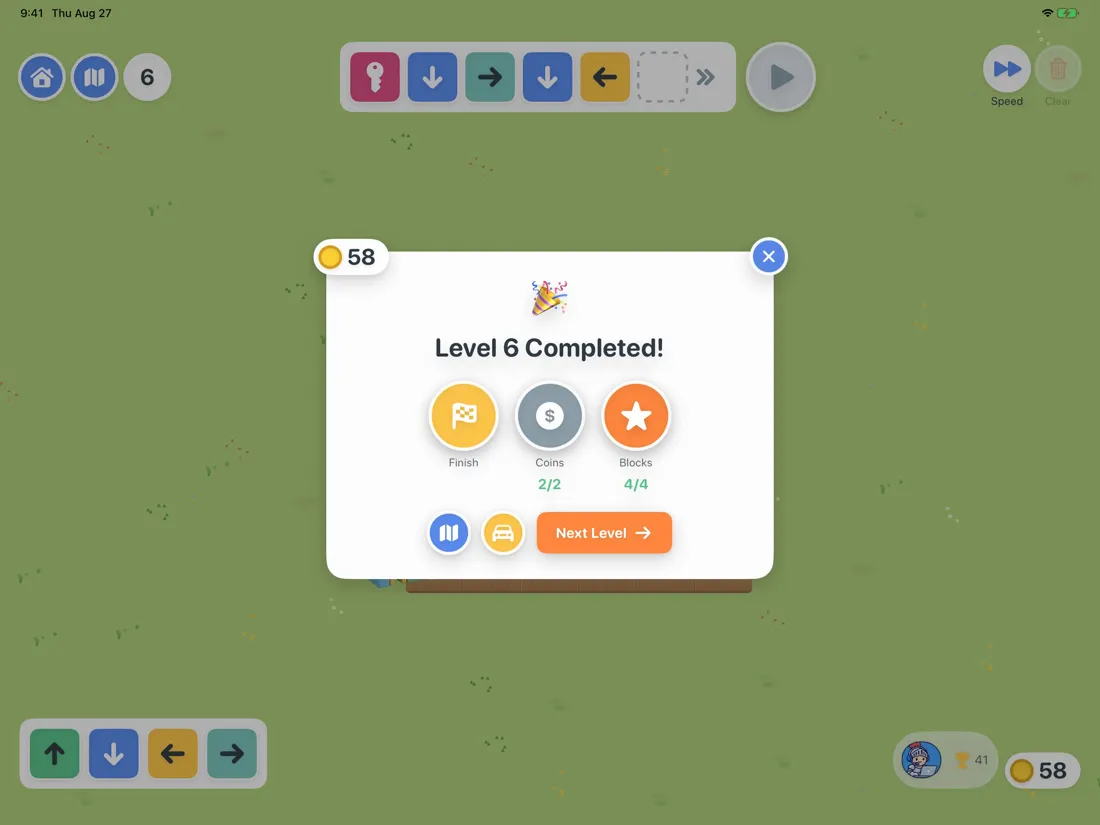
Raw captures are 2752 × 2064 PNG in screenshots/. Captioned versions for
web use are in screenshots-captioned/. The set runs from the very first
levels to the hardest, so pick according to what you want to show.
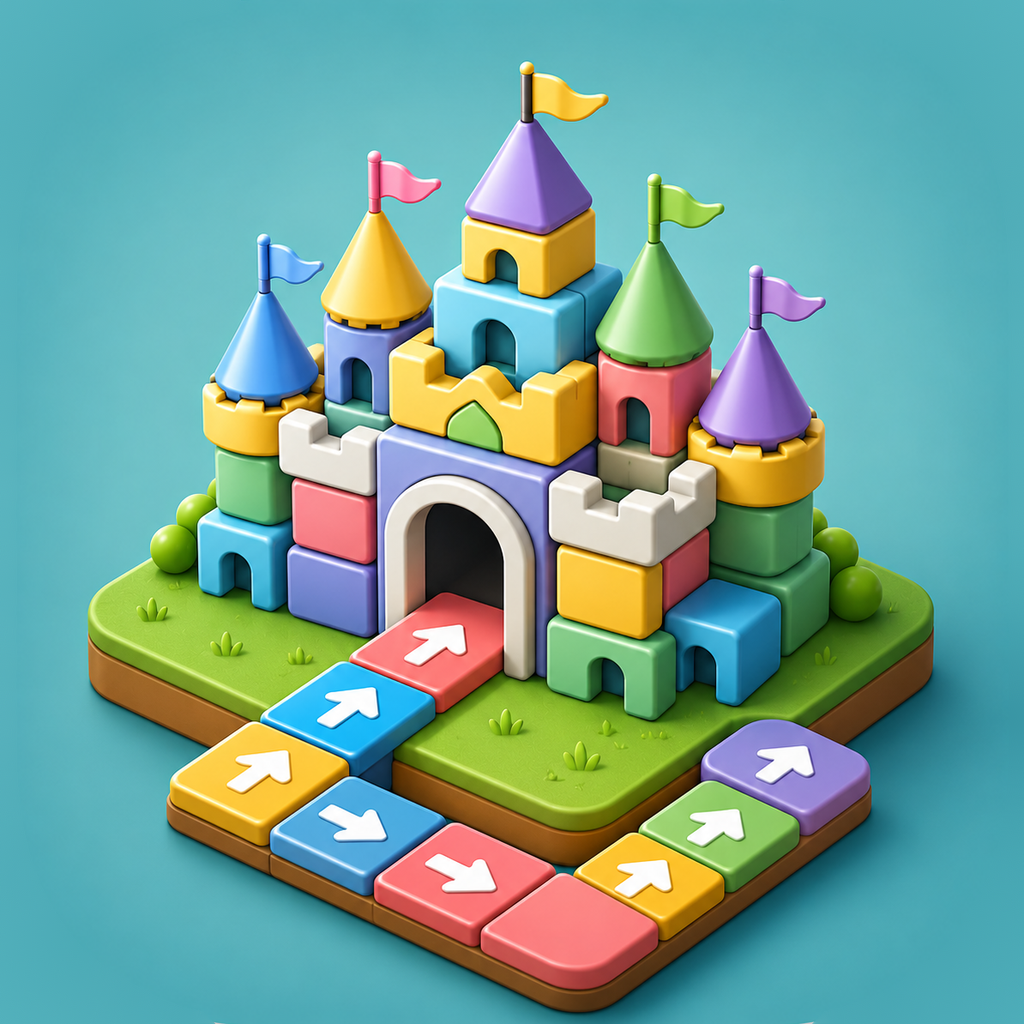
App icon
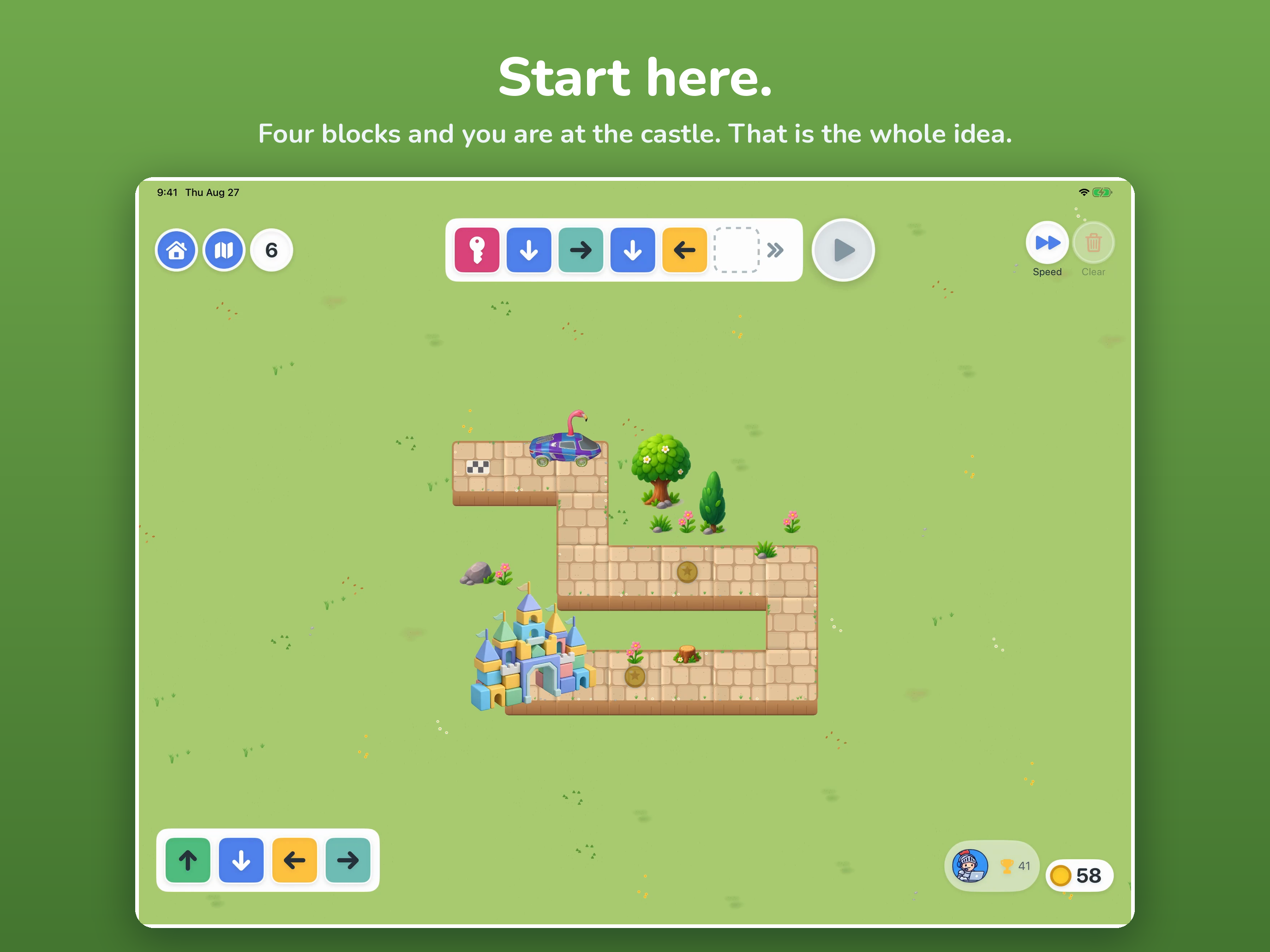
Promotional images
The developer
Codetwice is a small, one-family game studio based in Malta.
The idea for Code to the Castle started with Kitti. Marcell, a programmer with twenty years of experience, took on the challenge of building the game.
Their two children, Zelda and Dexter, became part of the development team from the very beginning. They drew the original car designs, helped design and decorate levels, and played every single one. Whenever something confused them, the game changed. If something was fun, they found ways to make more of it.
The result is a game built as a family, tested by the people it was made for, and shaped by the way children actually play.
Code to the Castle is Codetwice's first mobile game.
Codetwice is a one-family studio in Malta: Kitti, Marcell, and their two kids Zelda and Dexter. Code to the Castle is their first mobile game. The mum had the idea, the dad wrote the code, and the children designed the cars and the levels.
A few interesting facts
Every car started on paper. The kids drew each car by hand, and those drawings were then turned into 3D models. The game uses those 3D models to create all the views of the cars you see on the road.
Because the 3D model is the original source, rather than a collection of separate images, the cars can be customised too. When you choose a paint job in the garage, the game simply applies it to the 3D model, and your customised car appears on the road exactly as you chose it.
The car drives itself, and that is central to the game's design. A program block is only used when the car reaches a decision point, such as a junction or a corner where the road forces it to turn. Simply driving straight along a road does not use a block.
This means the length of a program is determined by the number of decisions the player needs to make, rather than the number of road tiles the car travels. It also gives loops a real purpose. When the same decision needs to be made repeatedly, a loop can replace a long sequence of individual instructions, making the solution shorter and smarter.
Almost no reading required. Arrows, numbers, and icons make up almost the entire interface, so children can understand and play the game even before they can read confidently.
A five-year-old and a twelve-year-old can play the same game, but the challenge grows with them. The difficulty curve does the age-ranging, gradually introducing more complex puzzles and coding concepts instead of separating players into different game modes.
No game engine. Code to the Castle is written in Swift using Apple's SpriteKit framework, with no third-party code libraries. The project has an empty dependency list, verified before release.
This was a deliberate choice. By keeping the technology stack lean and relying on Apple's own frameworks, the game stays lightweight and starts quickly. For players, that means less waiting and more time playing: tap the icon, and you are in the game.
Nothing is watching. Code to the Castle has no ads, analytics, accounts, or tracking. The game does not collect personal data or send player data anywhere.
If you choose to use profiles across devices, they sync through the device's own iCloud account. The game never asks for your name, email address, or any other personal information. You can simply open the game and play.
Usage
Everything in this kit may be reproduced freely in articles, reviews, videos and listings about Code to the Castle. No permission needed and no attribution required beyond naming the game.
Press contact: contact@codetwice.eu